
Backyard Egg Empire: Why Chicken Coops Are 2025’s Hottest Investment

Egg prices aren’t just creeping up—they’ve been sprinting for five years straight. In the United States, costs have more than tripled since 2020, swinging wildly with every bird flu outbreak or supply chain hiccup. In Europe, prices have climbed a steadier 50–90%, with some countries like Czech Republic seeing spikes over 40% in just the past year. No matter where you shop, the humble dozen eggs has become a symbol of how fragile our food systems really are.
But here’s the opportunity hiding in plain sight: what if you stopped treating eggs as a grocery expense and started treating chickens as a micro-asset? A backyard chicken investment isn’t nostalgia—it’s a modern hedge against inflation. Your hens don’t just lay breakfast. They generate steady returns in the form of eggs, soil-building manure, pest control, and even side income when the surplus goes to neighbors.
This is the heart of a backyard egg empire: one coop that pays itself off in food and cash flow. The numbers prove it, and the resilience you gain is worth far more than the store receipt.

Stick with me until the end, and check out Herman’s Tough Kraut Fixes. I’ll cover the most common mistakes beginners make—plus simple fixes—so your first flock is a true investment, not an expensive hobby.
Why a Backyard Chicken Investment Makes Sense in 2025
When people think of investments, they usually picture stocks, bonds, or real estate. Few consider the chicken coop at the end of their garden path. Yet in 2025, with food prices outpacing wages and volatility showing no signs of slowing, a flock of hens is one of the most practical micro-investments you can make.
Eggs are not a luxury item. They are a global staple with demand that rarely dips. That steady demand is why rising prices hit so hard at the household level. But it’s also why even a small backyard flock can be more than self-sufficient—it can be profitable. Unlike traditional investments, the return isn’t just financial. It’s breakfast on the table, healthy soil under your trees, and a deeper connection to your land.
Through a permaculture lens, chickens “stack functions.” Each bird converts kitchen scraps and weeds into protein-rich eggs, supplies nitrogen-rich manure for compost, reduces pest populations, and—when managed well—lowers dependence on outside inputs. The coop becomes a resilient little ecosystem, turning daily chores into daily dividends.
The real shift happens when you stop thinking of chickens as a hobby and start treating them like an asset class. A backyard chicken investment can be tracked just like a business venture: startup costs, ongoing expenses, yield, and revenue. Once you do the math, you’ll see why more urban and rural households alike are building their own “egg empires.”
Backyard Chicken Investment: 6-Hen Starter Math
The easiest way to judge whether chickens are a smart investment is to do the math. A small starter flock of six hens is a common choice because it balances setup cost with daily egg yield. Let’s run the numbers using average 2025 prices:
Setup Costs (one-time)
Coop & run (secure, predator-proof): €350–€500 ($375–$525)
Feeders, waterers, nesting boxes, hardware: €120 ($130)
Six pullets (16–20 weeks, ready to lay): €90 ($95)
Misc. (grit, bedding, calcium starter): €40 ($42)
Total Initial Setup: ~€600–€750 ($630–$790)
Operating Costs (per year)
Feed (25 kg / 55 lb bag every 6 weeks): €200–€250 ($210–$260)
Bedding, grit, calcium: €60 ($65)
Misc. repairs / replacements: €40 ($42)
Total Annual Operating: ~€300–€350 ($315–$365)
Egg Yield & Value
Six hens laying ~5 eggs each per week = 30 eggs (2.5 dozen) weekly
Over a year: ~130 dozen eggs
At €3.50 ($3.75) per dozen (modest farm-gate price): €455 ($490) annual value

ROI Table
Category | Cost / Value (Year 1) | Notes |
Initial Setup | €600–€750 ($630–$790) | One-time |
Annual Operating | €300–€350 ($315–$365) | Ongoing |
Egg Value (130 dozen) | ~€455 ($490) | Based on €3.50/dozen |
Net Year 1 | –€445 to –€645 | Still paying off setup |
Net Year 2+ | +€100–€150 per year | Setup paid, profit begins |
By the end of Year 2, the coop has paid for itself. After that, every egg is profit (or savings on your grocery bill). Add in the soil fertility boost and pest control, and your true return is even higher than the numbers suggest.
Tough Tip: Don’t skimp on the coop. Hardware cloth instead of chicken wire adds €40 ($42) up front but saves your whole investment from a fox or stray dog in one night.
The Permaculture Bonus
Industrial eggs come wrapped in a hidden supply chain: oil drilling, refineries, pellet mills, antibiotics, transport trucks, and waste lagoons. Each step burns energy, leaks nutrients, and pollutes.
By contrast, a backyard chicken investment closes the loop. Your hens eat kitchen scraps, turn weeds into eggs, and fertilize fruit trees. Instead of nutrient loss, you get nutrient cycling. Instead of waste, you build soil. And every egg is fresher, healthier, and produced at a fraction of the ecological cost.
Tough Tip: Track not just cash ROI, but ecological ROI. Each Euro or Dollar saved on feed by planting shrubs or redirecting scraps compounds your returns year after year. That’s resilience the supermarket can’t sell you.
Zoning, HOA, and Local Rules That Shape Profit
Before a single feather flutters in your backyard, check the rules. Nothing kills a promising backyard chicken investment faster than a letter from the council—or a complaint from the neighborhood association.
U.S. Snapshot: City Codes + HOAs
Hen limits: Many U.S. cities cap the number of hens (commonly 4–10).
Roosters: Often banned in urban and suburban zones due to noise.
Setback distances: Requirements for how far coops must be from property lines, homes, or wells.
Waste management: Some municipalities regulate how manure is stored or composted.
Egg sales permits: Local health departments may require specific labeling or on-farm inspections.
HOAs (Homeowners’ Associations): Even if the city says “yes,” your HOA can still say “no.” These private rule-making bodies often enforce stricter bans on livestock, fencing, or visible coops.
Europe Snapshot: Municipal Zoning + Nuisance
No HOAs: In most European countries, rules are set by municipal zoning laws, not private associations.
Zoning (Bebauungsplan in Germany): Residential zones may allow a small number of hens if they don’t create noise or odor issues. Agricultural zones typically have more freedom.
Nuisance laws: German “Immissionsschutz” apply if neighbors complain about smell, flies, or noise. A flock of hens is usually fine, but roosters can trigger disputes.
Egg sales: In the EU, small-scale “direct to consumer” sales are permitted, but once you package or deliver beyond your farm gate, stricter hygiene and labeling regulations kick in.
Strategies for Smooth Sailing
Check local laws directly: Don’t rely only on online summaries—regulations can change year to year.
Keep a compliance log: Record names, dates, and official answers. This creates a paper trail if disputes arise.
Win the neighbors early: A free dozen eggs goes a long way toward building goodwill.
Stay proactive: Dry bedding and composting keep odors low, and a tidy run prevents most complaints before they start.
Why It Matters for ROI
Every fine, forced flock reduction, or coop removal eats into your returns. Treat compliance like insurance—it protects your investment.
From Backyard Hobby to Micro-Business
Ready to turn eggs into income. Treat your flock like a product line. Keep the math simple. Build trust with clean systems. Then scale only when the numbers and your time both say yes. A backyard chicken investment pays best when you run it like a tiny shop.
Price your dozen with clear math
Know your real cost per dozen.
Annual operating cost (feed, bedding, calcium, small repairs) ~€230 ($250).
Add packaging. Example: €0.20 ($0.22) per carton × ~130 dozen ≈ €26 ($28)/year.
Total annual cost ≈ €271 ($293).
With ~130 dozen/year, cost per dozen ≈ €2.08 ($2.25).
Set your price.
Market rate check, then pick a tier you can explain with a straight face.
Reserve for upkeep.
Skim 10% of revenue into a “coop fund” for future mesh, doors, and auto-door batteries.

Example Pricing Models for 130 Dozen Eggs per Year
Selling Price (per dozen) | Annual Revenue (€ / $) | Annual Profit (€ / $) |
€3.50 ($3.78) | €455 / $491 | €184 / $199 |
€4.00 ($4.32) | €520 / $562 | €249 / $269 |
€4.50 ($4.86) | €585 / $632 | €314 / $339 |
€5.00 ($5.40) | €650 / $702 | €379 / $409 |
Choose a sales model that fits your week
Farm-gate pickup. Two set pickup windows per week. Cash box or QR code.
Micro-subscription. Pre-sell 2 dozen per week to two neighbors at a small discount. Reliable cash beats chasing orders.
WhatsApp group. One message. “Fresh dozen ready from 17:00.” First come, first served.
Bundle smart. “Egg + herb bunch” or “Egg + seasonal jam.” Higher perceived value, same trip for the buyer.
Simple brand. Clean carton. Instant trust
Carton stamp or label: “Laid on: / Best by: (28 days). Keep refrigerated. Producer: Tough Kraut, contact: ____.”
Storage tip: “Keep eggs point-down. Use oldest first.”
Story line: One sentence. “Free-ranged on kitchen scraps, weeds, and orchard bugs. Soil gets richer with every dozen.”
Operations that save hours
Two collection times daily. Morning and late afternoon.
Dry clean first. Brush off. Wash only if needed, then chill.
FIFO trays. First in, first out. Date every tray.
Carton return. €0.20 ($0.22) deposit or “bring back for €0.20 off.”
Legal and neighbor sanity check
Local rules first. Confirm “farm-gate” sale rules, simple labels, and any limits on flock size.
Quiet nights. Auto-door shut well before 11:00 p.m.
Clean run. Dry bedding and regular composting stop most smells and flies before they start.
Scale with intention, not impulse
6 → 12 hens. Double eggs. Double feed. Same chore blocks if your workflow is tight.
Add paddocks. Rotate runs to rest soil, cut parasite load, and grow forage strips.
Plant feed. Fruit and berry shrubs inside the fence. Mulberries, figs, thornless blackberries, comfrey. Less store feed over time.
Buy point-of-lay pullets. Faster payback than brooding chicks if the goal is near-term cash flow.
Tough Tip: Pre-sell before you scale. If you cannot line up two steady buyers for your extra dozens, more hens will not fix the math. A waitlist is the green light to grow.
Breed Selection by Climate + Predator-Proofing Essentials
Not all chickens are equal. Some handle heat, others thrive in cold, and a few lay consistently across seasons. Matching breed to climate is one of the smartest moves you can make in a backyard chicken investment. And no matter the breed, all returns vanish if predators breach your defenses.
Breed Selection by Climate
Hot & Dry (Mediterranean, Southern U.S.)
Leghorn, Andalusian, Fayoumi
Slim bodies, light feathering, excellent foragers.
Cold & Harsh (Northern Europe, Northern U.S.)
Plymouth Rock, Orpington, Wyandotte
Heavier, fluffy feathering, reliable winter layers.
Mild / Balanced Climates
Rhode Island Red, Sussex, Australorp
Hardy “all-rounders,” steady egg production in variable seasons.
Urban-friendly
Silkie, Bantam breeds
Small size, quieter, suited for tighter spaces.
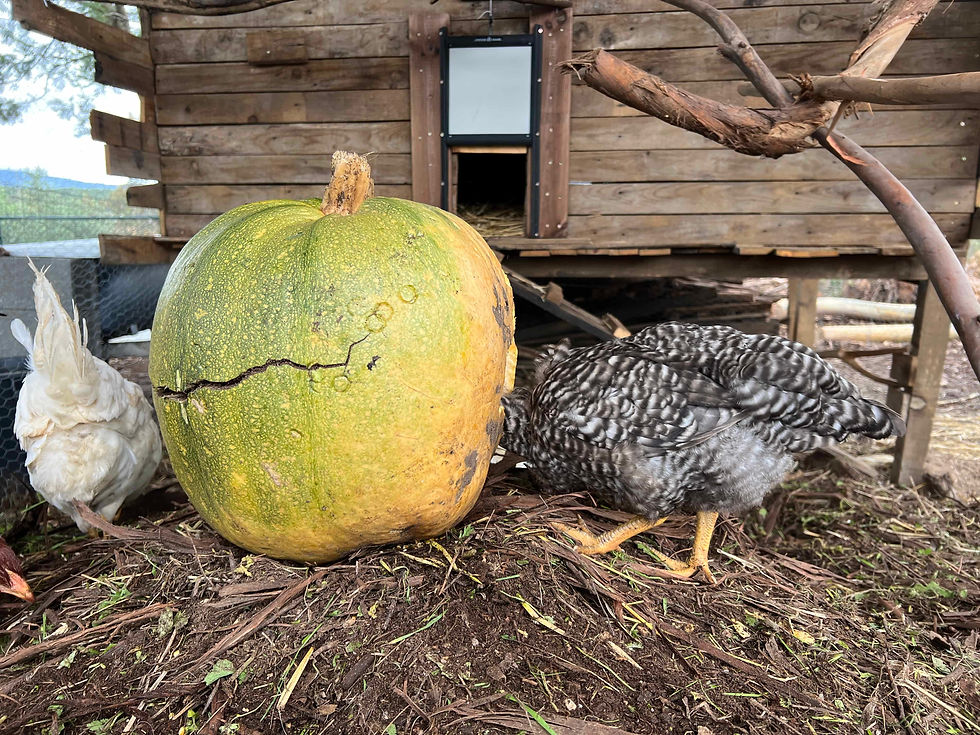
Tough Tip: Aim for a mixed flock. Different breeds peak at different times of year, balancing your basket and keeping customers supplied year-round.
Predator-Proofing: Your Insurance Policy
Predators don’t care about ROI spreadsheets. One breach can wipe out your entire investment in a single night. Build defenses like you mean it.
Essentials:
Mesh quality: Use hardware cloth (12–16 gauge, ½ inch / 1.3 cm). Chicken wire only keeps chickens in; it doesn’t keep predators out.
Buried apron: Extend mesh 30 cm (12 in.) underground around the run to block diggers (dogs, foxes).
Locks, not latches: Raccoons and martens can open simple hooks. Use carabiners or spring locks.
Auto door: Closes at dusk, opens at dawn. One-time investment that saves both hens and your sleep.
Motion lights or cameras: Cheap deterrent. Predators dislike sudden light, and you get peace of mind.
Covered run: Wire mesh roof or netting prevents hawk and owl attacks.
Tough Tip: Don’t calculate ROI without predator-proofing. An extra €40 ($45) in hardware cloth is cheaper than losing €200 ($215) worth of hens overnight.
Building Your Backyard Egg Empire
Rising egg prices show no signs of calming, and volatility is here to stay. The smarter play is to stop watching the supermarket shelf and start producing value at home. A backyard chicken investment isn’t just a hobby. It’s an asset that pays dividends in fresh eggs, richer soil, pest control, and even community goodwill when you share a carton with neighbors.
We’ve run the math: a modest 6-hen setup can cover its costs in two years and turn profit every year after. We’ve walked through the zoning hurdles, business models, breed choices, and predator-proofing. What you build in your backyard is more than a coop — it’s a little engine of resilience.
And like any smart investment, it compounds. Shrubs planted around the run lower feed costs year after year. Heritage hens brood new flocks without machines. Neighbors who first came for eggs might soon ask about seedlings or compost. That’s how a chicken coop grows into an egg empire and a resilient community.

Want to make sure your first flock doesn’t become an expensive experiment? Check out Herman’s Tough Kraut Fixes below — I’ve gathered the most common mistakes and their fixes, so you can start strong and keep your egg empire profitable. And if you’re ready to keep stacking resilience, join the Kraut Crew to learn more about real-world permaculture hacks, right from our Quinta in Portugal.
Herman’s Tough Kraut Fixes: Troubleshooting & FAQ
Starting your own egg empire comes with questions and the occasional misstep. Here are some of the most common challenges I see beginners run into — and how to fix them before they eat into your ROI.
Q: My hens stopped laying in winter. What’s wrong?
A: Shorter daylight hours reduce laying. This is normal. Solutions: add a timed light in the coop (14–16 hours total light), choose breeds that lay well in winter (like Australorps or Rhode Island Reds), or simply accept the seasonal dip. Eggs rebound in spring.
Q: The neighbors are complaining about noise. I don’t even have a rooster!
A: Hens are much quieter than roosters, but they can still cackle after laying. Keep the coop clean, well-fed, and shaded to avoid stressed birds (which are noisier). A carton of free eggs also works wonders as a peace offering.
Q: I’m drowning in eggs. What can I do with the surplus?
A: Think of surplus as opportunity. Options: sell extra dozens, trade for garden produce, or preserve through pickling and water-glassing. Building a small subscription list with two or three steady buyers keeps eggs moving without stress.
Q: Predators got into my run. How do I stop this from happening again?
A: Upgrade your defenses. Use hardware cloth (not chicken wire), bury an apron of mesh 30 cm (12 in.) deep, and install secure locks. One-time investments that prevent one-night disasters.
Q: Can backyard chickens really be profitable?
A: Yes, but only if you track costs honestly. Factor in feed, bedding, and packaging, then compare to local egg prices. With smart management, hens can cover their costs within two years and return a modest profit after. Add in soil fertility and pest control, and your true ROI is even better than the spreadsheets show.
Recommended Books & Resources
Books
Pastured Egg Farming Success by Daniel O’Brien
Practical, profit-focused playbook for pricing, rotation systems, and on-farm workflows that make egg sales sustainable and scalable.
Commercial Chicken Meat and Egg Production by Dr. Mack North & Donald Bell
Comprehensive reference that covers production and economics—useful for cost modeling, scaling decisions, and understanding margins beyond the backyard scale.
Storey’s Guide to Raising Chickens by Gail Damerow
The modern classic. Breeds, housing, feeding, health, layers and meat birds—organized so beginners can act and old hands can troubleshoot fast.
The Small-Scale Poultry Flock by Harvey Ussery
Deep-dive, permaculture-aligned systems for home and market growers: breeding/clan mating, on-farm feed streams, and management that reduces outside inputs.
City Chicks by Patricia Foreman
Urban-minded guide to micro-flocks, neighborhood diplomacy, and using hens as compost creators and garden helpers—great for zoning-aware readers.
Chicken Tractor by Andy & Patricia Lee
Mobile coops and rotation systems that cut feed costs, boost soil, and raise healthier birds—a practical blueprint for stacking functions.
Resources
ChickenGuard Automatic Chicken Coop Door (PRO/Extreme)
Timer + light sensor automation with a strong motor, plus solar; designed for harsh conditions. This is the “sleep at night” upgrade that also prevents late-lockup losses.
½-inch, 19-gauge Hardware Cloth (48 in × 50 ft)
Predator-proof mesh for runs, buried aprons, and vent protection. The ½-inch opening stops reach-through attacks that chicken wire won’t.
Blank Paper Pulp Egg Cartons (125-pack, 12-egg)
Sturdy, brandable cartons for farm-gate sales or subscriptions; cost-effective and stack neatly.
Solar Barn/Coop Light with Motion Sensing
No-wiring lighting for evening lockups; motion mode doubles as a predator deterrent near the run.
Tough Kraut Resources
Our handpicked tools, books, and resilient gear that turn small backyard projects into real-world results. Every pick is Kraut-Approved, field-tested on our off-grid Quinta in Portugal.


Comments