
Gladiolus × hybridus (Garden Gladiolus)
- Herman Kraut

- Jun 3
- 4 min read
Common Name: Garden Gladiolus, Sword Lily
Scientific Name: Gladiolus × hybridus
Plant Family: Iridaceae
Lifecycle: Tender Perennial (grown from corms)
Garden Gladiolus are among the most dramatic summer-flowering plants a gardener can grow. Known for their tall flower spikes and vibrant colors, they perform exceptionally well in Mediterranean climates when given full sun, good drainage, and occasional support. Growing Gladiolus × hybridus in Zone 8a offers spectacular cut flowers, pollinator activity, and a reliable splash of color during the warm season.
For in-depth guides and curated tools, be sure to check out our Resources Self-Sufficiency Toolkit.
Plant Profile
Characteristic | Information |
Climate Suitability | USDA Zones 7–10; Köppen Csa, Csb |
Sun / Shade Needs | Full sun; light afternoon shade tolerated |
Watering Needs | Moderate; regular moisture during active growth |
Soil Preferences | Well-drained loam or sandy soil; pH 6.0–7.5 |
Spacing & Height | 10–15 cm (4–6 in) spacing; 0.8–1.5 m (2.5–5 ft) height |
Propagation Method(s) | Corm division; cormels |
Planting Timeline | Spring planting after frost danger |
Companion Plants | Salvia, lavender, zinnia, cosmos, basil |
Edible / Medicinal / Ecological Uses | Ornamental; cut flowers; pollinator support |
Pest / Disease Considerations | Thrips, aphids, slugs, corm rot |
Pruning / Harvest Notes | Remove spent flower spikes; lift corms in colder climates |
Quick Plant Reference
Care Level: Easy to Moderate
Optimal Sunlight: Full sun (6–8+ hours daily)
Water Needs: Moderate; consistent moisture during flowering
Mature Size: 0.8–1.5 m tall (2.5–5 ft); 15–30 cm spread (6–12 in)
Soil Type: Well-drained sandy or loamy soil
Humidity: Low to Medium
Toxicity: Mildly toxic if ingested; may irritate pets
Beneficial Pollinators: Bees, hoverflies, butterflies
Health Benefits: Primarily ornamental
Chilling Hours: Not applicable
Pollination Requirements: Not required for flowering
Our Gladiolus × hybridus Application @ Tough Kraut
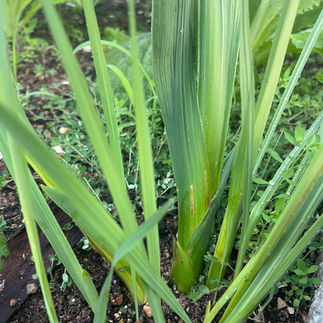
MuDan planted several Gladiolus corms in the center raised bed of our greenhouse after purchasing the bulbs from Lidl. They remained largely unnoticed until one plant suddenly sent up an impressive flower spike and began blooming with beautiful salmon-pink flowers. The flower stem quickly became too heavy for its own weight and started bending over. To prevent damage, we repurposed one of our older trellis structures as a support stake. This experience reminded us that Gladiolus may look elegant, but many cultivars benefit from support, especially when grown in fertile greenhouse conditions where flower spikes can become exceptionally large.
Step-by-Step Growing Guide
Growing Gladiolus × hybridus in Zone 8a is generally straightforward, but flower stem support, watering, and planting depth are common troubleshooting topics. The following guide incorporates practical tips and answers to frequently asked questions.
1. Choose the Right Site
Select a location with full sun and good airflow. Gladiolus produce their strongest stems and best flowering performance when exposed to at least six hours of direct sunlight daily.
2. Prepare the Soil
Loosen the soil to at least 20–30 cm (8–12 in) deep. Incorporate compost if necessary, but avoid excessively rich nitrogen-heavy soils that may encourage weak stems.
3. Plant the Corms
Plant corms approximately 10–15 cm (4–6 in) deep with the pointed side facing upward. Space them 10–15 cm (4–6 in) apart.
4. Water Consistently
Keep the soil evenly moist during active growth. Avoid waterlogging, which can lead to corm rot.
5. Ensure Proper Pollination
Pollination is generally unnecessary for ornamental production. However, flowers attract bees and other beneficial insects.
6. Prune Annually
Remove spent flower spikes once blooming finishes. Leave foliage intact until it naturally yellows so energy can return to the corm.
7. Manage Pests and Diseases
Inspect regularly for aphids, thrips, and fungal issues. Good airflow and avoiding overhead watering help reduce disease pressure.
8. Harvest and Store
For cut flowers, harvest when the first few blooms begin opening. This maximizes vase life while allowing remaining flowers to continue opening indoors.
9. Note
If flower stems begin leaning or collapsing, install support immediately. Many large-flowered Gladiolus cultivars produce flower spikes that become top-heavy, especially in greenhouses or highly fertile soils.
Kraut Crew Insight
Our Gladiolus appeared almost out of nowhere. One week there was foliage, and the next there was a towering salmon-pink flower spike demanding attention. The unexpected need for support reminded us that even ornamental plants sometimes require practical engineering solutions. Fortunately, a forgotten trellis found a new purpose and saved the day.
Photos






Herman’s Tough Kraut Field Notes: Solving Garden Gladiolus Cultivation Challenges
Growing Gladiolus × hybridus is generally rewarding, but troubleshooting often revolves around stem stability, flowering performance, and corm health. The following FAQ addresses the most common questions we encounter from gardeners growing Gladiolus in Mediterranean climates.
One lesson from our own greenhouse-grown Gladiolus is that vigorous growth can sometimes create its own problems. A flower spike loaded with blooms may simply become too heavy for the stem to support, turning a beautiful display into a rescue operation involving stakes, twine, and whatever support structure happens to be nearby.
Q: Why are my Gladiolus flower stems bending over?
A: This is one of the most common Gladiolus problems. Heavy flower spikes, greenhouse-grown plants, strong winds, or excessive nitrogen can all contribute. Staking or using support rings often solves the issue.
Q: Why aren't my Gladiolus flowering?
A: Insufficient sunlight is usually the main culprit. Gladiolus require full sun for reliable flowering. Shallow planting and immature corms can also reduce blooms.
Q: Should I dig up the corms every year?
A: In USDA Zone 8a, many gardeners leave them in the ground successfully. In wetter climates or poorly drained soils, lifting and storing corms may reduce losses.
Q: Why are my leaves turning yellow before flowering?
A: Early yellowing often indicates water stress, poor drainage, disease, or corm damage. Inspect the growing conditions and check for rot.
Q: Can Gladiolus be grown in a greenhouse?
A: Absolutely. In fact, greenhouse conditions often produce larger flower spikes. However, stronger growth frequently increases the need for staking and support.
For more field-tested tools, propagation gear, and practical garden resources, visit the Tough Kraut Resources page.
Entry last updated: 2026-06-03
This post is part of the Tough Kraut Plant Library, documenting what really grows on our off-grid homestead in Central Portugal.


Comments