
How to Grow Passion Fruit: Simple Care Guide for Mediterranean Gardens

Passion fruit, or Passiflora edulis, is a vigorous climbing vine grown for its extraordinary flowers, dense green growth, and edible fruit when the variety and climate cooperate. It is native from Brazil to northeastern Argentina, where it grows as a liana, so in Mediterranean gardens it needs a little translation from “humid subtropical vine” into “please survive our dry summer and weird winter mood swings.”

At Tough Kraut, two passion fruit vines were planted in September 2022. Both survived with little winter protection, grew strongly, produced suckers, and one porch vine became loaded with fruit, although the fruit has not ripened reliably so far. That makes passion fruit useful here as both a food experiment and a lush ornamental climber.
Quick Answer: How to Grow Passion Fruit
Grow passion fruit in a sunny, sheltered position with strong support, fertile but very well-drained soil, regular summer watering, and mulch around the root zone. It can grow fast, climb hard, and quickly turn a fence, trellis, porch, or water-tank tower into a living green wall.
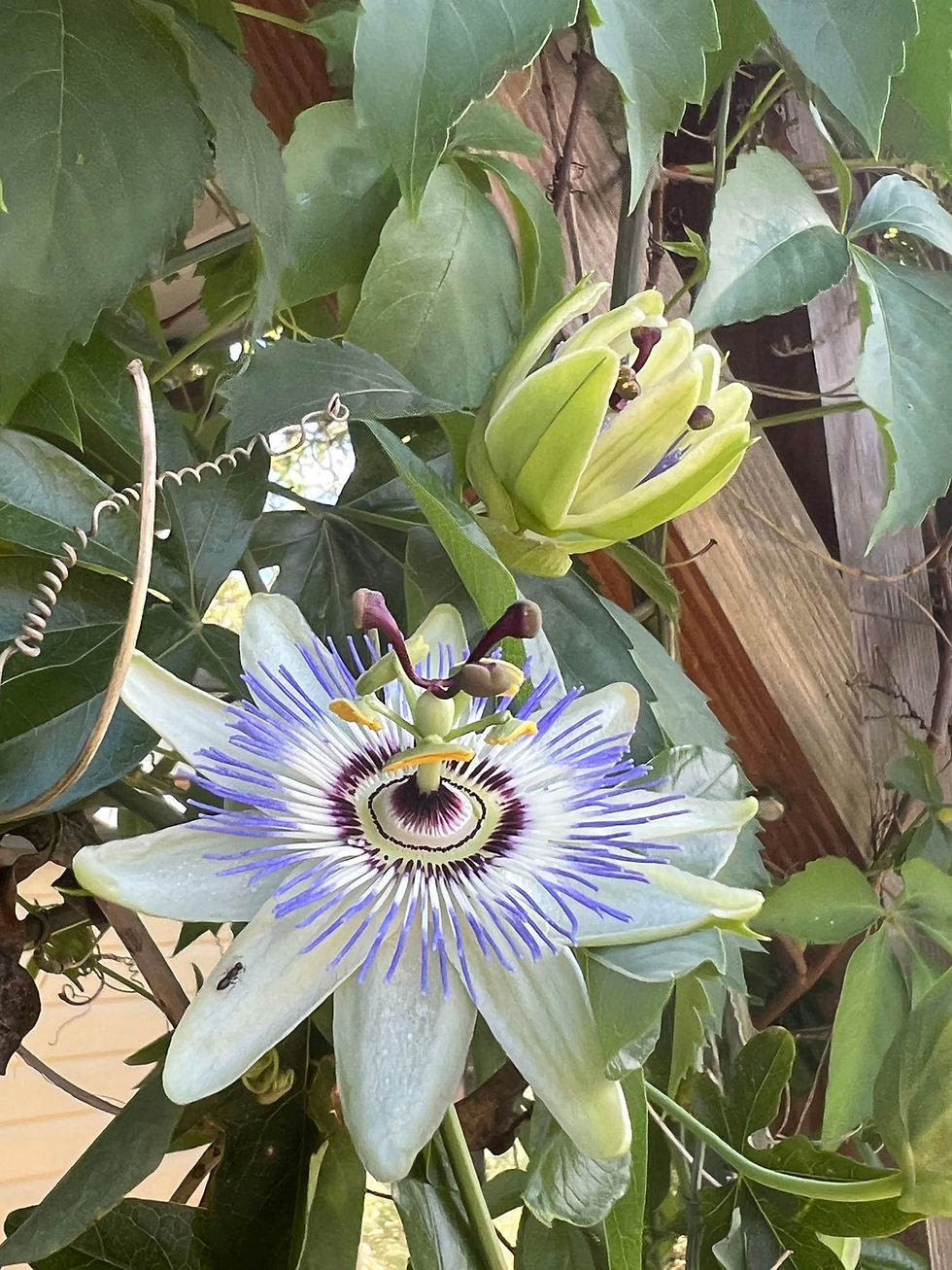
In Mediterranean Zones 8-10, the main warning is cold. Passiflora edulis is often listed for warmer zones, with UF/IFAS placing it around USDA Zones 9B-11, while RHS describes it as frost tender. In Zone 8a, treat it as an experiment for protected microclimates, not a guaranteed fruit crop.
Best Place to Grow Passion Fruit in a Mediterranean Garden
The best place to grow passion fruit is against a strong trellis, fence, pergola, porch frame, or south-facing wall where the vine gets warmth, shelter, and something serious to climb. This is not a polite little annual that gently asks for a bamboo cane. It wants infrastructure.
Full sun helps flowering and fruiting, but in hot inland Mediterranean gardens, all-day summer sun can be harsh. UCANR notes that passion fruit likes full sun along the coast, but inland full sun should be avoided because the vine dislikes hot, dry heat. For Central Portugal, that means young plants may appreciate morning sun, late-afternoon shade, mulch, and wind protection while they establish.
Avoid frost pockets, especially low ground near water, unless you are willing to lose top growth in winter. A warmer stone-wall microclimate, sheltered porch, upper slope, or protected courtyard gives the vine a better chance.

Soil, Water, and Mulch Tips for Passion Fruit
Passion fruit likes fertile, fast-draining soil. Sandy loam or improved loamy soil is ideal, especially if enriched with compost before planting. Drainage matters because purple passion fruit can be susceptible to soil diseases, and raised beds or mounds can help in wetter winter climates.
Water deeply and regularly during establishment and through dry summers. The roots are relatively shallow, so a vine can suffer quickly if the soil dries out completely. At the same time, constant wet soil can encourage disease, so the goal is steady moisture, not swamp life. Very Tough Kraut lesson: “more water” and “better watering” are not always the same thing.
Mulch generously around the base with organic material, keeping it slightly away from the main stem. Mulch helps cool the root zone, reduce evaporation, soften dry summer stress, and protect the crown in winter.
How to Plant and Establish Passion Fruit
In Zone 8a, spring planting after the last frost is usually the safest option. RHS recommends planting passion flowers in spring after cold weather has passed. In Zones 9-10, or in a very protected microclimate, early autumn planting may also work because winter rain can help roots establish before summer heat.
Prepare the planting hole with compost, but do not bury the stem deeply. Plant near support, water well, mulch, and guide the first shoots onto the trellis. Keep young vines protected from wind, frost, and brutal summer exposure until they are rooted in and pushing strong growth.
If propagating, seeds may produce variable plants, so cuttings are better when you want to preserve the parent vine’s traits. UCANR notes that fresh seed germinates more easily than old seed, while rooted cuttings preserve parent characteristics.
Seasonal Care for Passion Fruit in Zones 8-10
In spring, check for winter dieback, prune dead or tangled stems, and guide fresh growth onto support. Passion fruit flowers on vigorous new growth, so pruning should create structure without turning the vine into a sad haircut.

In summer, water consistently, especially during heat waves. Feed lightly to moderately during active growth if the vine looks hungry, but avoid pushing endless leafy growth at the expense of flowers.
In autumn, mulch the base well and reduce stress before cold weather arrives. In colder Zone 8a gardens, protect the root zone before frost. RHS suggests autumn mulch and winter protection for Passiflora edulis, especially where frost is expected.
Fruit can be harvested once it changes color or drops, depending on the type. If fruit stays green for months, treat the plant cautiously as ornamental until you can confirm variety, ripeness, and eating quality.
Frequently Asked Questions About Growing Passion Fruit
Q: Can passion fruit grow in full sun?
A: Yes, passion fruit can grow in full sun, especially in mild coastal areas, but hot inland Mediterranean gardens may need afternoon shade or young-plant protection during summer.
Q: Can passion fruit survive frost?
A: Passiflora edulis is frost tender, so Zone 8a growers should use warm microclimates, heavy mulch, and winter protection. Survival is possible, but fruiting is not guaranteed.
Q: Can passion fruit grow in pots?
A: Yes, passion fruit can grow in large pots with strong support, regular watering, and feeding. In cold areas, container growing also makes it easier to move the vine into a frost-free place.
Final Thoughts on Growing Passion Fruit
Passion fruit is one of those plants that can make a Mediterranean garden feel instantly more tropical, even if winter occasionally reminds it where it actually lives. Give it warmth, drainage, mulch, strong support, and careful summer watering, then observe before making big promises about fruit.
In Zone 8a, I would grow it as a beautiful, vigorous, possibly productive experiment. For the full plant profile, real Tough Kraut growing notes, and photos, visit the full Passiflora edulis Plant Library entry.


Comments