
How to Set Up a Low-Water Garden Before Summer Hits (Without Losing Your Plants)

Updated: May 6
Every year, summer hits harder than expected.
You think you’re ready. The beds look full. Plants are growing fast. Then a week of heat rolls in, the soil dries out overnight, and suddenly you’re chasing your garden with a hose.
I’ve been there. First year on our land, I planted trees without a proper water system. By the time I reacted, the damage was already done.
Here’s the truth most beginner guides skip:
A low-water garden isn’t built in summer. It’s built before it.

If you get the setup right now, summer becomes manageable. If you don’t, it becomes survival mode.
Free printable: If your garden is already entering survival mode, download my free Summer Survival Garden Checklist. It helps you walk the garden, check water stress, mulch gaps, shade exposure, and choose a simple 7-day action plan before small problems turn crispy.
In this guide, I’ll walk you through exactly how to build a low-water garden setup that works in real Mediterranean conditions. And if you want to go deeper after this, check out:
Top 10 Drought-Tolerant Plants for Mediterranean Gardens for plant selection
Propagating Plants in Spring: What Works (and What Fails) in Dry Climates to raise stronger plants before heat hits
Why Low-Water Gardening Starts Early
Mediterranean climates don’t forgive poor timing.
You get:
Wet, mild winters
A short, fast-growing spring
Then months of dry heat with almost no rain
That means one thing:
Root systems must be ready before summer arrives.
Plants that establish early:
Grow deeper roots
Access moisture stored in soil
Need less frequent watering
Plants that don’t:
Stay shallow
Dry out fast
Depend on constant irrigation
You’re not just growing plants. You’re building a system that holds water. And that system starts with design, not watering.

Start with the Right Plants (Or You’re Fighting Nature)
A low-water garden setup begins with a simple decision:
Do you want to work with your climate… or against it?
If you plant water-hungry crops everywhere, no trick will save you later. Instead, build your garden around drought-adapted species. So here’s how to apply it:
Practical Steps:
Use drought-tolerant perennials as your backbone (rosemary, lavender, sage)
Group plants by water needs (don’t mix thirsty greens with dry-loving herbs)
Prioritize plants that improve soil (like comfrey or legumes)

Even herbs like rosemary and sage don’t just survive dry conditions. They actively reduce pest pressure and support pollinators, stacking functions in your system.
Tough Tip: Build your garden like a team, not a collection. Plants that thrive together reduce your workload.
Build Soil That Holds Water (Your Hidden Reservoir)
If your soil can’t hold water, nothing else matters. Most beginners focus on watering frequency. Experienced growers focus on water retention.
In Mediterranean conditions, bare soil loses moisture fast. That’s why mulching and organic matter are non-negotiable.

Even in autumn, a simple 5–7 cm mulch layer protects soil, feeds microbes, and reduces evaporation. The same principle applies before summer.
Practical Steps:
Add compost before the heat arrives
Mulch every exposed surface (5–7 cm / 2–3 in)
Use leaf litter, straw, or wood chips
Water deeply before mulching
What This Does:
Slows evaporation
Improves soil structure
Feeds microbial life
Increases water storage capacity
Tough Tip: Dry soil under mulch is wasted effort. Water first. Then cover.
Set Up Smart Watering (Less Often, More Effective)
A low-water garden does not mean no water. It means better water use. Shallow watering creates weak plants. Deep watering creates resilience.
Consistent moisture is key for establishment, especially in sandy or fast-draining soils common in Mediterranean regions.
Practical Steps:
Water deeply (not daily)
Aim for 20–30 cm soil penetration
Use drip irrigation where possible
Cover irrigation lines with mulch
Simple System That Works:
Drip emitters (4 L/hour)
Run 30–45 minutes, 2–3 times per week
Adjust based on soil and heat
Tough Tip: If roots stay near the surface, your plants will always depend on you. Train them to go deeper early.
Protect Young Plants Before Heat Hits
This is where most gardens fail. You can have perfect plants and good soil, but if young plants hit heat too early, they stall or die. Young plants are vulnerable. Timing matters.
Mediterranean conditions create a narrow window. Too early, nothing grows. Too late, heat takes over.
Practical Steps:
Start plants in trays or protected spaces
Transplant before heat waves begin
Use temporary shade (cloth, trees, structures)
Harden plants gradually
Common Mistakes:
Planting too late
Skipping protection
Overwatering shallow roots
Tough Tip: A plant that struggles early will struggle all season. Give it a strong start, or wait.
Build the System, Not the Stress
A low-water garden setup is not about doing less work. It’s about doing the right work at the right time.
If you:
Choose the right plants
Build soil that holds water
Water deeply and efficiently
Protect plants early
Then summer becomes manageable. Not easy. But manageable.
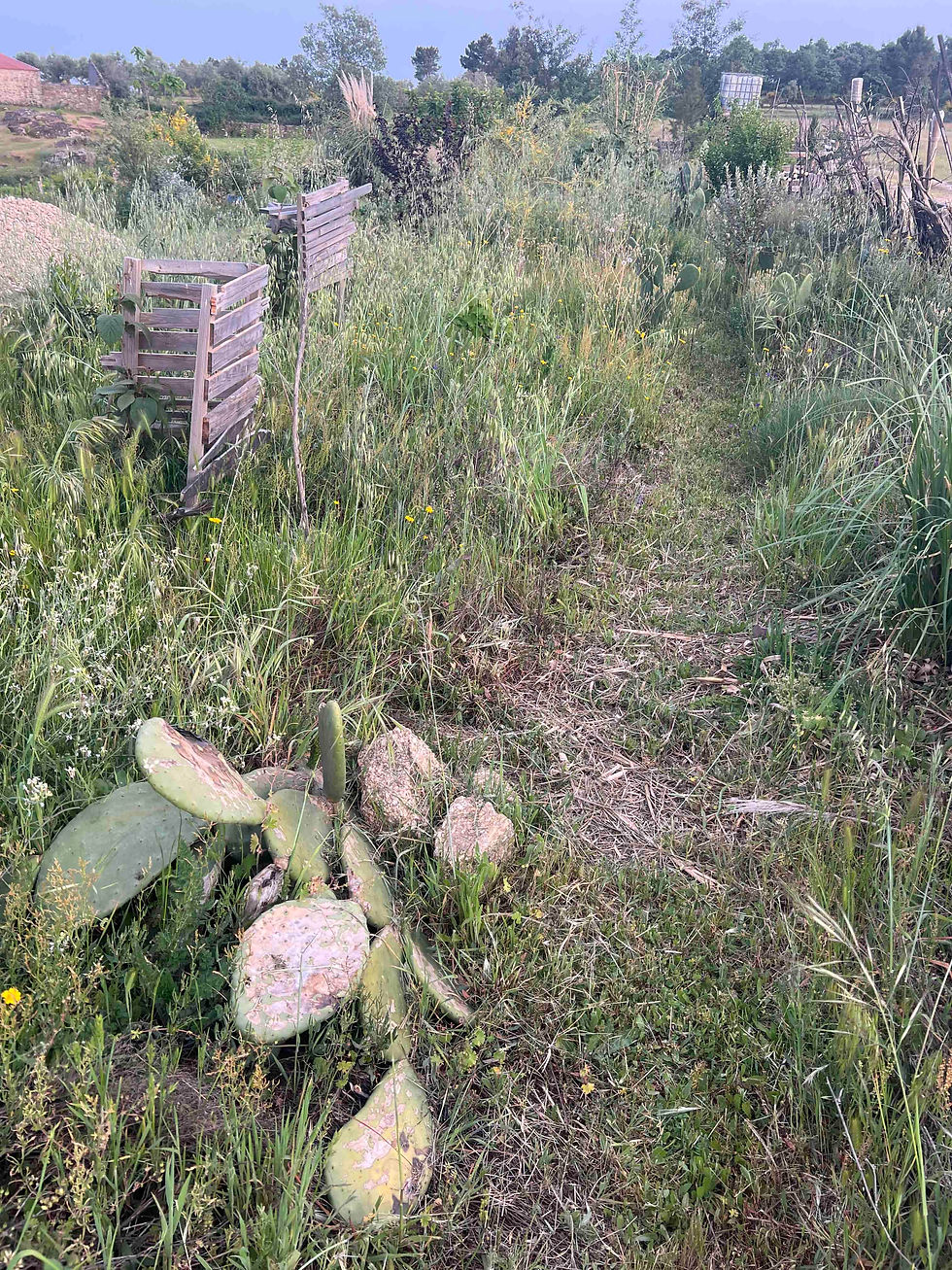
Miss those steps, and you’ll spend months reacting instead of growing. This is exactly how we’ve shifted our approach on the Quinta. Less panic watering. More observation. More systems.
If you want to go deeper, explore:
Our drought-tolerant pollinator plant guide for better species choices
Our Spring propagation guide to raise stronger plants before heat arrives
And if you’re building your own system, you’re already part of it.
Welcome to the Kraut Crew.
Herman’s Tough Kraut Fixes: Common Low-Water Garden Mistakes Before Summer
Troubleshooting a low-water garden setup is where most learning happens. This FAQ section covers the most common mistakes gardeners face when trying to reduce water use before summer. If you treat this like a checklist, you’ll avoid the usual setbacks and build a system that actually works.
Q: My soil dries out too fast. What am I missing?
A: You need more organic matter and mulch. Bare soil loses water quickly.
Q: How often should I water in a low-water garden?
A: Water deeply 2–3 times per week, not daily.
Q: Why are my plants wilting even after watering?
A: Likely shallow roots. You’re watering too lightly and too often.
Q: Can I still grow vegetables in a low-water setup?
A: Yes, but group them separately and give them targeted irrigation.
Q: When is the best time to set up a low-water garden?
A: Late winter to early spring, before heat stress begins.
Recommended Books & Resources
Books
The Water-Saving Garden by Pam Penick
A strong fit for readers who want practical, attractive ways to cut water use without turning the garden into a gravel lot, and it was listed on Amazon when I checked.
Mediterranean Gardening: A Waterwise Approach by Heidi Gildemeister
This is the best climate-match pick for your audience, pairing Mediterranean garden logic with practical guidance and a plant palette of more than 1,000 drought-tolerant options.
The Dry Gardening Handbook by Olivier Filippi
Ideal for readers ready to think beyond “water less” and design around real summer drought, with practical dry-climate strategy plus a directory of 500+ drought-resistant plants.
The Water-Smart Garden by Noelle Johnson
A fresh, highly relevant choice for readers who want current techniques for conserving, capturing, and efficiently using water across both ornamental and edible spaces.
Resources
GARDENA Micro-Drip-System Drip Irrigation Set for Raised Beds/Beds
This is the practical “use less, grow more” upgrade, delivering water right where it matters and built for efficient drip irrigation in beds and around young plants.
Orbit 1-Outlet Hose Faucet Timer
A simple set-and-forget timer that helps readers automate watering by start time, duration, and frequency, which is exactly what saves seedlings when summer sneaks up fast.
Blumat Digital Moisture Meter
A tensiometer-style sensor that tells you how thirsty the root zone really is, which beats guessing with your finger every time.
Tough Kraut Resources
Want the field-tested books, tools, and water-wise gear that actually earn their keep in a dry-climate garden? Visit Tough Kraut Resources to skip the junk and find practical picks built for real resilience.


Comments