
Designing with Texture: Succulents and Perennials for Striking Dry Gardens

A lot of dry gardens look… well, dry. Rows of gravel, a few spiky plants, and not much else to keep the eye interested. But texture changes everything. It’s the difference between a flat, lifeless patch and a living landscape that draws you in with every step.
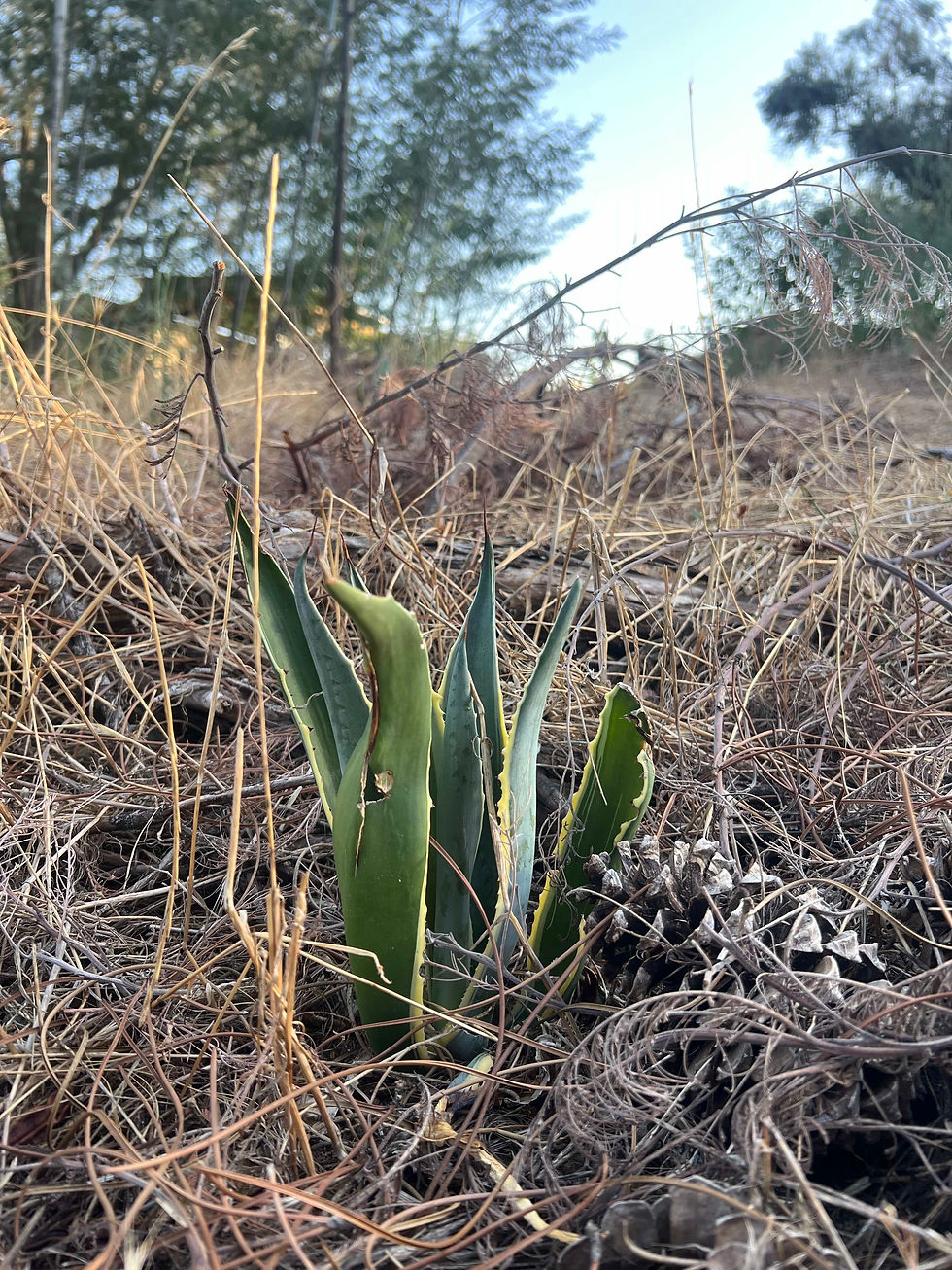
Think of it as designing with touch in mind. You’re not just choosing plants for color—you’re shaping a garden where rough meets smooth, spiky meets soft, and bold forms mingle with delicate drapes. Whether it’s the architectural punch of agave, the soft silver fuzz of lamb’s ear, or the wild drama of cardoon, texture gives a dry garden depth, character, and staying power through the hottest months.
If you’ve ever stood in your yard wondering why it feels a bit flat, this guide will show you how to bring it to life—no extra water bill required.
Follow Tough_Kraut on Instagram for real-life texture inspiration straight from our off-grid garden in Portugal, and don’t miss Herman’s Tough Kraut Fixes at the end for quick solutions to common texture-design challenges.
Why Texture Matters in Striking Dry Gardens
In a healthy ecosystem, no plant stands alone. Nature layers texture the way an artist layers paint—mixing fine, medium, and bold strokes to create a scene that feels complete. In dry gardens, this layering is more than an aesthetic choice. It’s a survival strategy.
Plants with different textures often bring different strengths. Thick, fleshy succulents like agave and echeveria store water for lean times. Soft, fuzzy foliage on lamb’s ear reduces moisture loss and reflects harsh sun. Woody perennials like phlomis and cistus hold their shape year-round, providing shelter for beneficial insects and ground cover to slow evaporation.
Texture also influences how we interact with a space. A garden with varied forms and surfaces invites exploration—it makes you want to step closer, run your fingers along a leaf, or notice how morning light catches the silvery edges of artemisia. And when you combine texture with color and form, you’re building a garden that can weather drought and still look vibrant in the off-season.
At Tough Kraut, we’ve seen firsthand how textural diversity brings a garden to life, even in Portugal’s baking summers. The right mix of succulents and perennials creates a self-sustaining design—beautiful, resilient, and functional all at once.
Color for Impact
In a striking dry garden, color works hand in hand with texture to catch the eye. You can think of it as the garden’s first handshake—the element that greets you before you even notice the finer details.

The challenge? In drought-tolerant planting, you often work with more muted palettes: silvers, greys, greens, and earth tones. That doesn’t mean color can’t pop—it just means you need to be intentional.
Contrast is key. Pair the cool silver of artemisia with the deep green of agave, or the pale fuzz of lamb’s ear with the warm yellow blooms of phlomis. Let the soft pink of echeveria flowers spill against the rugged seed heads of cistus. Even a single burst of cardoon’s violet bloom against a backdrop of muted foliage can shift the whole mood of a space.
Think year-round. Succulents like echeveria and agave hold their color through every season, while perennials like cistus bring seasonal blooms. Mixing the two ensures your garden never goes dull, even in the heat of summer or the quiet of winter.
Form and Structure
If color is the garden’s handshake, form and structure are its posture. The way plants stand, sprawl, or arch gives your space its backbone and defines how people move through it. In dry gardens, this structure also plays a role in water management and microclimate creation.
Anchor with bold forms. Large, architectural plants like agave or cardoon can act as visual anchors. Place them where you want the eye to stop—at an entry, beside a seating area, or at the end of a path.

Mix heights and shapes. Mounded perennials like cistus or phlomis soften the base of taller plants, while trailing species can spill over paths or low walls to blur hard edges. Upright forms, like the wands of euphorbia, add vertical movement that catches light differently throughout the day.
Use repetition wisely. Repeating a plant form—such as a line of agaves or a rhythm of round mounds—creates cohesion, while varied spacing keeps it from feeling too rigid.
Tough Tip: Tall, bold forms paired with soft, low growers make a dry garden feel alive from every angle.
Layering for Depth
A garden without layers is like a painting without background or foreground—it feels unfinished. Layering gives a dry garden depth, guiding the eye from the nearest plant to the farthest point and making the space feel larger than it is.
Start with the backdrop. Use tall, structural plants like cardoon or mature agave as your visual anchors. They’ll frame the scene and provide a canvas for the rest of your planting.

Fill the middle. Perennials like phlomis, euphorbia, and cistus create the mid-tier. This is where seasonal blooms meet foliage interest, forming a bridge between your tallest anchors and the low groundcovers.
Soften the edges. Trailing or low-growing plants—such as lamb’s ear or compact echeveria—flow into paths, steps, or stones, blurring the lines between planting and hardscape.

Play with overlap. Let plants mingle at the edges. A silver artemisia spilling into a patch of deep-green euphorbia adds richness without needing more plants or water.
Tough Tip: Layering plants in tight-knit groups not only looks good—it helps shade the soil and cut down on watering.
Tough Tips for Texture
Designing with texture doesn’t mean filling every space with a different plant—it’s about choosing the right mix and letting them work together. Here are a few ways to make it happen:
1. Pair opposites.
Combine the spiky drama of agave with the soft fuzz of lamb’s ear, or the upright wands of euphorbia with the rounded shapes of echeveria. Contrast creates instant visual tension in the best way.
2. Repeat to unify.
Choose two or three textures you love and repeat them throughout the garden. This repetition ties the space together and keeps it from feeling chaotic.
3. Think seasonal texture.
Some perennials change character through the year—phlomis, for example, keeps sculptural seed heads after blooming. Use these shifts to keep interest high in every season.
4. Let plants mingle.
Nature doesn’t plant in straight lines. Allow a little overlap so textures blend and feel more organic.
Tough Tip: If you’re unsure where to start, plant in threes—one bold, one soft, and one that ties the two together. It’s a simple formula that rarely fails.
Texture That Lasts Through the Seasons
A dry garden doesn’t have to be plain or predictable. By balancing color, form, and layering, you can create a space that draws you in, feels alive year-round, and thrives with minimal water. Texture is the thread that ties it all together—it’s what makes each visit to your garden a fresh experience.
Whether you’re starting from scratch or refining an existing space, the plants we’ve explored—agave, echeveria, lamb’s ear, euphorbia, cistus, phlomis, artemisia, and cardoon—offer more than beauty. They’re resilient, low-maintenance, and ready to stand up to the toughest seasons.
Join the Kraut Crew for exclusive garden inspiration, early access to new self-sufficiency resources, and members-only guides to help you design and maintain a textured dry garden that thrives in any season.
Herman’s Tough Kraut Fixes: Common Design Challenges for Dry Gardens with Texture
Designing with texture is rewarding, but like any garden project, it comes with a few learning curves. That’s why I’ve put together this quick Troubleshooting & FAQ section—so you can sidestep common mistakes and keep your textured dry garden looking its best from day one.
Q: My dry garden still looks flat, even after adding different plants. What’s wrong?
A: You might have chosen plants with similar forms or heights. Mix bold shapes (like agave) with mounded fillers (cistus) and low groundcovers (lamb’s ear) to build depth.
Q: The colors seem dull in summer sun. How can I make them pop?
A: Break up large blocks of muted foliage with bursts of seasonal bloom or deeper greens. Even one cardoon in bloom can change the entire scene.
Q: Some plants are struggling in their spots. Should I move them?
A: Yes, if a plant looks unhappy after its first full season, it may need a different light or soil condition. Dry gardens work best when each plant is in its preferred microclimate.
Q: My garden feels chaotic with so many textures. How do I fix this?
A: Repeat a few key textures throughout the space. For example, use artemisia’s silver foliage in several places to unify the design.
Q: Do I need to water newly planted drought-tolerant plants?
A: Yes—regular watering during the first season helps them establish. After that, you can cut back significantly.
Recommended Books & Resources
Books
Designing the Lush Dry Garden by Cricket Riley, Alice Kitajima, Kier Holmes
A beautifully photographed, deeply practical guide that shares Ruth Bancroft’s methods for low‑water planting with bold succulents (agaves, echeverias, aloes) and structural elements—perfect for building textural dry gardens.
Dry Climate Gardening by Noelle Johnson
A 2023 AHS award‑winner offering hands‑on advice for creating vibrant, water‑wise landscapes in arid zones, covering plant selection, soil strategies, seasonal planning, and texture-focused designs.
Striking Succulent Gardens by Gabriel Frank
A beginner-friendly guide (2021) providing plant-by-plan inspiration for low‑maintenance landscapes—ideal for readers looking to combine succulents and perennials in textural dry gardens.
Resources
Gardena Comfort Small Tool Set (8964-30)
This three-piece set is a daily essential on our homestead. The Comfort Trowel makes planting and transplanting easy, the Flower Rake loosens soil effortlessly, and the Small Broom keeps beds tidy—all with ergonomic handles for all-day comfort. Backed by a 25-year guarantee, it’s built for seasons of work.
Tough Kraut Resources
Our handpicked collection of essential tools, books, pantry picks, and composting gear to build resilience from soil to shelf.


Comments