
November planting guide for Zones 8–11: Your Last 3 Weeks to Plant 35+ Crops Before Winter Slows Growth
- Herman Kraut

- Nov 6, 2025
- 9 min read
Short days. Cold nights. Empty beds. November can feel like the end of the road. In Mediterranean Zones 8–11, it is the opposite. You have about three weeks to lock in spinach, roots, alliums, favas, and even bare-root trees while the soil is still warm. Do this now and winter works for you. Skip it and growth stalls until spring. I have made both choices. The “plant now” choice wins every time.
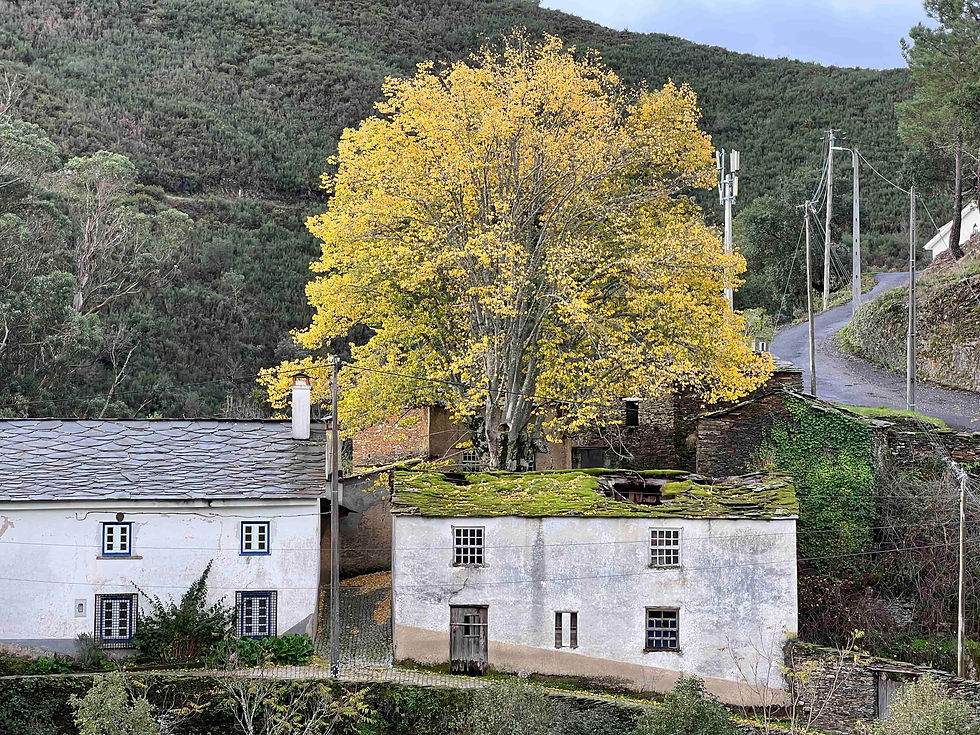
In Mediterranean Zones 8–11, this November planting guide maps early-, mid-, and late-month actions so you can fill beds with 35+ crops and keep harvests rolling through winter and spring.
At the end, jump to Herman’s Tough Kraut Fixes for rapid Troubleshooting and FAQ answers, then come back and get those beds filled.
Why November works in Mediterranean Zones 8–11
Warm soil plus cool air means fast germination with low stress. Autumn rains reduce irrigation. Pest pressure drops. Roots build while tops grow slowly. This is textbook permaculture. Let climate and season carry the load. Our off-grid site in Central Portugal runs on this pattern. Planting in November gave us spinach in December, carrots in January, and brassicas from February to April. The trick is timing, spacing, and simple protection on frosty nights.
The 35+ crops to plant in November (Zones 8–11)
Leafy greens for fast wins (30–60 days)
Spinach ‘Matador’, ‘Bloomsdale’. Direct sow. Space 15 cm (6 inches). Baby leaves in 30 days, full size in 50–60. Cut and come again.
Lettuce Butterhead, romaine, looseleaf mixes. Transplant or sow. Space 25 cm (10 inches). Harvest 45–60 days.
Arugula ‘Astro’, ‘Roquette’. Direct sow. Space 10 cm (4 inches). Ready in 30–40 days. Sow small patches every 2–3 weeks.
Swiss chard ‘Fordhook’, ‘Bright Lights’. Transplant or sow. Space 25–30 cm (10–12 inches). Pick for months.
Mustards ‘Mizuna’, ‘Red Giant’. Direct sow. Space 15 cm (6 inches). Peppery leaves improve after frost.
Kale ‘Lacinato’, ‘Curly’. Transplant. Space 45–60 cm (18–24 inches). Pick lower leaves through winter.
Asian greens Tatsoi, pak choi, Tokyo Bekana. Sow or transplant. Space 15–20 cm (6–8 inches). Fast, tender, productive.
Collards ‘Vates’, ‘Georgia’. Transplant. Space 45 cm (18 inches). Winter workhorse.

Tough Tip: Sow tiny bands of arugula and radish along the sunny edge of slower crops. You harvest those before the big plants need the space.
Brassicas to transplant now (harvest winter–spring)
Broccoli ‘Belstar’, ‘De Cicco’. Space 45–60 cm (18–24 inches). Side shoots extend the season.
Cabbage ‘January King’, ‘Golden Acre’, red types. Space 45–60 cm (18–24 inches). Firm soil around stems.
Cauliflower ‘Snow Crown’, ‘Romanesco’. Space 45–60 cm (18–24 inches). Keep even moisture.
Brussels sprouts ‘Long Island’. Space 60 cm (24 inches). Best from sturdy transplants.
Tough Tip: Plant brassicas deep so the stem base is anchored. Wind wobble slows growth more than cold.
Root crops to direct sow (60–100+ days)
Carrots ‘Nantes 2’, ‘Chantenay’. Sow thin. Final spacing 5–8 cm (2–3 inches). Keep the top 1 cm (½ inch) of soil moist for 10–14 days.
Beets ‘Detroit’, ‘Chioggia’, ‘Golden’. Final spacing 8–10 cm (3–4 inches). Eat the greens too.
Turnips ‘Purple Top’, ‘Hakurei’. Final spacing 12–15 cm (5–6 inches). Fast bulbing for winter soups.
Radishes ‘Sora’, ‘French Breakfast’. Space 5 cm (2 inches). 25–35 days. Perfect gap-fillers.
Parsnips ‘Javelin’. Final spacing 10 cm (4 inches). Long season. Frost sweetens.
Tough Tip: Lay a strip of hessian or shade cloth over carrot rows after sowing. Lift daily to water. Remove once sprouted.
Alliums to plant in rows (spring–early summer harvest)
Garlic Hardneck or softneck. Plant cloves 5 cm (2 inches) deep, 10–15 cm (4–6 inches) apart. Mulch.
Onions sets or seedlings. Space 10–15 cm (4–6 inches). Keep weed-free.
Shallots individual bulbs 15–20 cm (6–8 inches) apart.
Leeks transplants 15 cm (6 inches) apart. Heel in soil up the shank over time for longer whites.
Tough Tip: Mark garlic beds clearly. In March you will forget where you tucked those cloves under mulch. Future-you will thank you.
Herbs to establish for winter picking
Parsley flat or curly. Space 20 cm (8 inches). Slow start, then unstoppable.
Cilantro direct sow every 3 weeks. Space 15 cm (6 inches). Prefers cool.
Dill direct sow. Space 15–20 cm (6–8 inches). Great for pickles and beneficials.
Chives clumps at 20 cm (8 inches).
Oregano, thyme, sage, rosemary from cuttings or pots. Space 30–90 cm (12–36 inches) depending on species. Light prune only.
Tough Tip: Underplant taller brassicas with cilantro. Shade slows bolting and keeps soil covered.
Legumes for food and nitrogen
Fava beans ‘Aquadulce’, ‘Windsor’. Sow 4–5 cm (1½–2 inches) deep. Row spacing 30 cm (12 inches). Harvest pods in spring. Chop and drop roots after.
Peas snap, snow, shelling. Sow 5 cm (2 inches) apart. Trellis. Cool-season machines.
Lupines white or blue types. Sow late Oct–Nov, 2–3 cm (¾–1 inch) deep, 15–20 cm (6–8 inches) apart or broadcast. Fix nitrogen and build biomass. Chop at first bloom. Food use only with “sweet” low-alkaloid varieties.

Flowers for winter color and allies
Calendula direct sow. Space 30 cm. Edible petals and pollinator magnet.
Violas and pansies transplant. Space 15–20 cm. Cold-proof color.
Snapdragons transplant. Space 20–30 cm. Cut-flower bonus.
Tough Tip: A calendula strip between carrot rows draws predators and makes thinning day less dull.
Bonus perennials and trees (site-dependent)
Citrus ‘Satsuma’, ‘Meyer’, ‘Navel’. Plant in well-drained spots. Protect in Zone 8 on frosty nights.
Bare-root fruit apples, figs, pomegranates, loquat. Plant as soon as they arrive. Soak roots before planting. Space 3–5 m (10–16 feet).
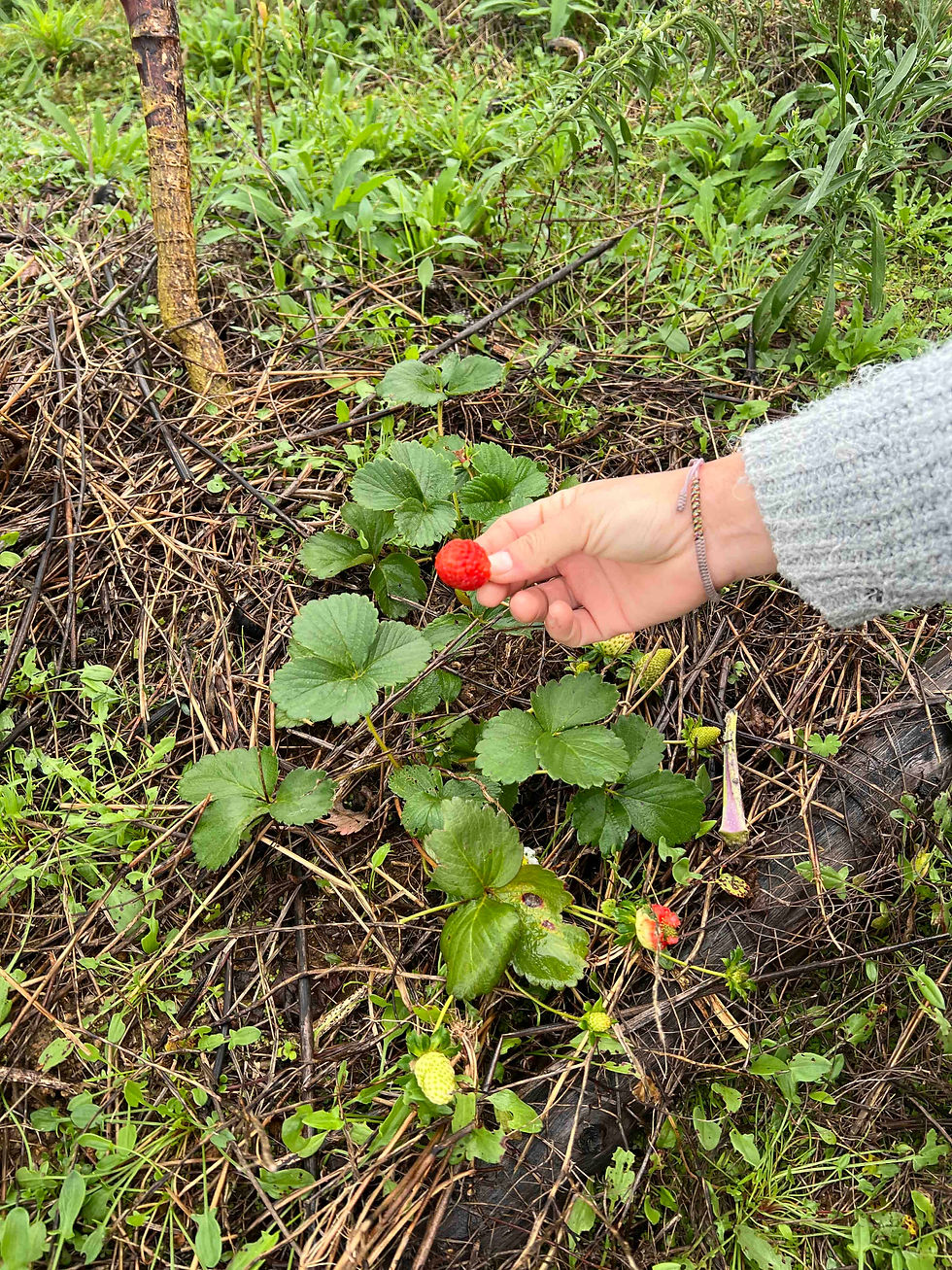
Strawberries everbearing or day-neutral types. Plant runners or plugs 30 cm (12 inches) apart in raised beds or terrace soil. Mulch 5 cm (2 inches) deep. Establish now for early-spring fruit and occasional November berries in warm microclimates.
Four moves that make November plantings succeed
1) Prep once. Reap for months.
Rake beds level. Add 5–7 cm (2–3 inches) of mature compost and work it into the top 10–15 cm (4–6 inches). Mulch 5–7 cm (2–3 inches) with straw or shredded leaves after sowing. Check pH if you have alkaline soil. Water deeply once to settle seed.
Tough Tip: If your soil crusts, add a 1 cm top-dressing of fine compost over seeded rows. It stops caps forming after rain.
2) Stagger like a pro
Use a 2–3 week rhythm for spinach, arugula, lettuce, and radish. Every 3 weeks for carrots, beets, turnips. Plant brassica transplants in two rounds 10–14 days apart.
Tough Tip: A pocket notebook in the garden beats memory. Date every sowing. Small habit. Big yield.
3) Beat frost the simple way
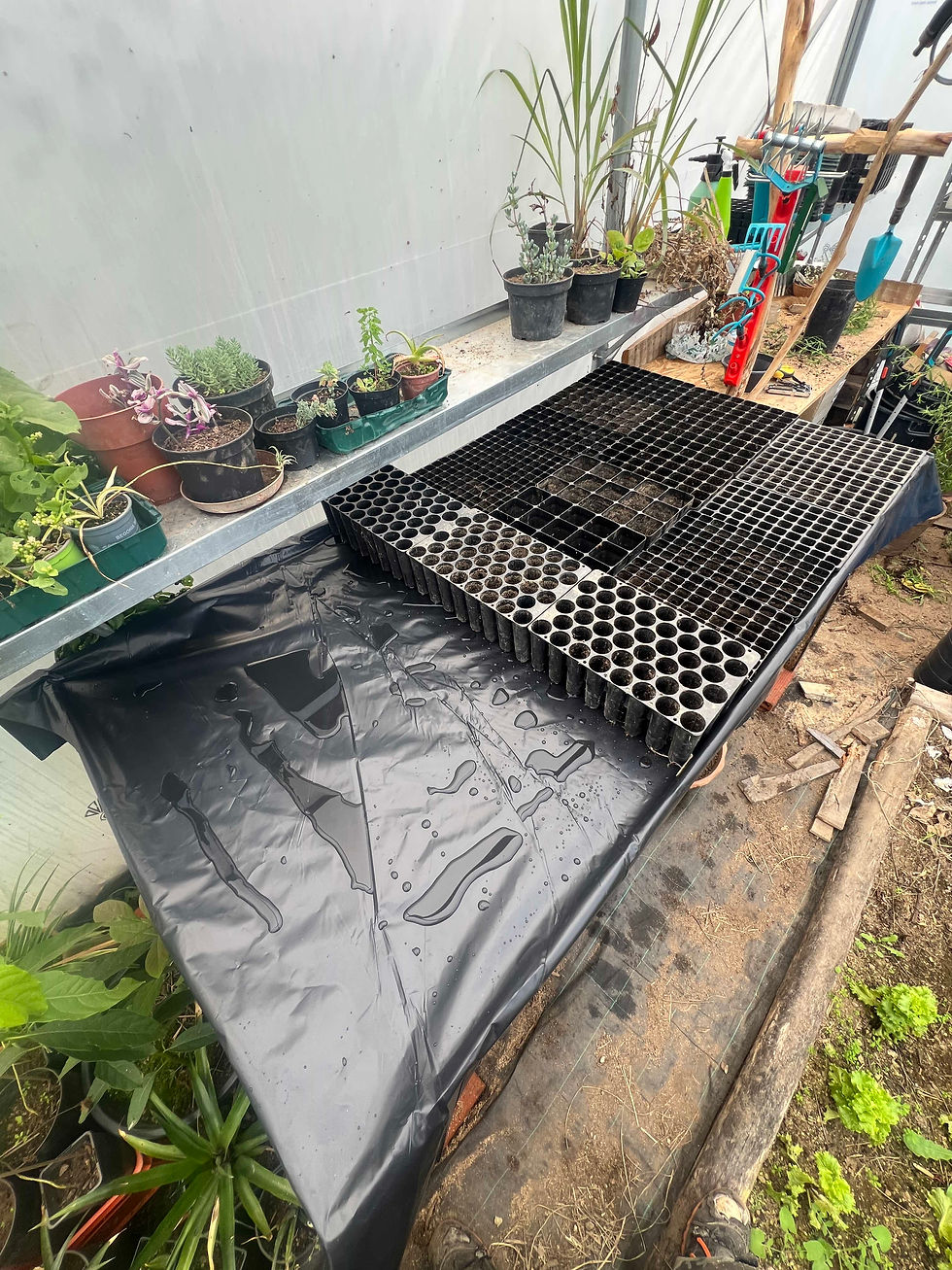
Have row cover ready. On forecast lows, drape fleece over hoops. Add extra mulch around citrus and tender herbs in Zone 8. Cold frames or a low tunnel over one bed can feed you all winter.
Tough Tip: Close covers before sundown to trap the day’s heat. Open next morning to vent moisture.
4) Map your microclimates
South-facing wall. Stone path. Courtyard pocket. These store heat. Put spinach and lettuce in the cool bed. Put cilantro where it gets midday shade. Plant citrus in the warmest nook you own.
Tough Tip: A cheap max-min thermometer hung at bed height teaches more than any chart.
Quick November calendar (Zones 8–11)
Nov 1–10: Sow spinach, arugula, radish, carrots, beets. Transplant kale and early broccoli. Start garlic.
Nov 11–20: Transplant cabbage and cauliflower. Plant onions, leeks, fava beans, peas. Keep successions rolling.
Nov 21–30: Final sowings of greens and radish in Zones 9–11. In Zone 8, focus on protection, alliums, and tree planting.
Lock in winter food with a three-week sprint
November is not the end. It is the setup. In Zones 8–11 the soil still holds heat while the air cools. That mix favors roots, germination, and quiet growth. If you plant now, winter carries the load for you. Your job is simple. Sow small patches often. Protect on cold nights. Keep the soil covered.
Start with fast, high-return beds. Spinach, arugula, lettuce, and radish go in first for quick harvests in 30–40 days. Follow with carrots, beets, and turnips so your January soups are covered. Slide in brassica transplants where you have space. They will size up while pest pressure stays low.
Next, secure your spring food supply. Plant garlic, onions, and leeks in clear rows and mulch them well. Add one strip of legumes to recharge beds. Fava beans or a short run of lupines will fix nitrogen and give you a spring chop-and-drop mulch. That sets your tomatoes and peppers up for success without buying fertilizer.

Work with your site, not against it. Warm walls, stone paths, and courtyards extend your window. Frost pockets and wind gaps shrink it. Put the tender crops in the warm pockets. Put the hardy ones in the cold corners. A single low tunnel or row cover can turn a so-so bed into a steady salad bar.
Keep your kit simple. Compost, a rake, a row cover, and a notebook. Note sowing dates. Water once deeply if rain is late. Vent covers in the morning. Close them before sundown on cold nights. Small habits keep growth steady when daylight drops.
Three focused weeks now will feed you for five to six months. If you want my exact November schedule, bed sketches, and what failed here in Central Portugal so you can skip it, join the Kraut Crew. Practical. Tested. Off-grid tough.
Herman’s Tough Kraut Fixes: Troubleshooting Guide for Planting in November
Troubleshooting overview: November rewards speed and rhythm, but a few snags repeat. This FAQ tackles germination, slugs, frost shocks, slow growth, and soggy beds so you can course-correct fast.
Q: My carrots are not germinating. What now?
A: Dry crust kills carrots. After sowing, lay hessian or a board on the row. Check daily. Water to keep the top 1 cm (½ inch) damp. Remove the cover at first sprout. If ants steal seed, over-sow a little thicker and mist twice daily until emergence.
Q: Slugs and snails are mowing my transplants.
A: Remove dense debris near beds. Use collars cut from plastic bottles around stems. Set a coarse mulch, not damp thatch. Night patrol with a headlamp works. Traps help, but habitat change is the long game.
Q: Surprise frost hit my greens. Are they done?
A: Spinach, kale, and mustards bounce back. Water lightly the next morning to wash ice from leaves. Next time, drape fleece before sundown and add a second layer on the coldest nights. Zone 8 needs this ready by mid-month when nights can drop to around 0 °C (32 °F).
Q: Everything is growing painfully slow.
A: November light drops fast. Focus on density and protection. Use low tunnels to add 2–4 °C (3–7 °F) at night. Harvest baby leaves more often to keep plants in regrowth mode. Accept that roots size up in January–February.
Q: Beds are waterlogged after heavy rain.
A: Fork-lift the surface to 10–15 cm (4–6 inches) for air. Add a 2–3 cm (1–1¼ inch) layer of compost and re-mulch. In the next dry gap, edge a shallow drain to shed water. Consider one raised bed for insurance.
Q: Can I still plant if it’s late November in Zone 8?
A: Yes, but change the mix. Prioritize alliums, fava beans, transplants under cover, and salads under fleece. Save slow roots for late winter sowings.
Recommended Books & Resources
Books
The Year-Round Vegetable Gardener by Niki Jabbour
Clear, beginner-friendly season-extension playbook: low tunnels, crop choices, and timing that map perfectly to your November successions.
Four-Season Harvest by Eliot Coleman
The classic on winter growing with cold frames and mobile protection. Great for dialing in fleece/low-tunnel tactics from this post.
The Living Soil Handbook by Jesse Frost
No-till soil strategy for better cool-season germination, moisture, and structure. Ideal for your compost + mulch protocol.
Mediterranean Gardening: A Waterwise Approach by Heidi Gildemeister
A regionally relevant take on plant choices and water-smart methods that match Zones 8–11 realities.
Resources
Legume (Rhizobium) Inoculant for Fava/Peas
Powder inoculant that jump-starts nitrogen nodules on fava beans, peas, and lupines. Bigger plants, more N for spring “chop-and-drop.” Dust seed at sowing.
Water-Filled Plant Protectors (“Walls of Water”)
Reusable sleeves you fill with water to create a mini heat battery around plants. Adds precious degrees on cold snaps and accelerates early growth. Great over salad beds or young brassicas in Zone 8.
Max–Min Thermometer for Bed-Height Microclimates (Celcius & Fahrenheit)
Cheap, durable max–min thermometers that log overnight lows at plant level. You’ll finally see which corner is the frost pocket and when to pull covers.
Tough Kraut Resources
Find all our trusted tools, books, and homestead gear. Each pick is practical, proven, and built to last in Mediterranean climates.


Comments