
Pollinator Paradise: Drought-Tolerant Plants That Attract Bees & Butterflies

Updated: Apr 26
You step outside on a July morning and find your garden humming with life, not wilting under the sun. Wild cistus blooms in crisp white clusters along the path, while rows of lavender and salvia perfume the air. Agapanthus nods its purple umbrellas beside your rain-catchment tank, and rosemary spills over stone walls, all sipping sparingly—just as little as 5 L (1.3 gal) of water per plant each week once they’re settled. No fancy irrigation needed, just smart plant picks and a dash of permaculture magic. If you’re tired of watching thirsty lawns turn brown and want your patch to become a buzzing, fluttering haven, you’re in the right place.
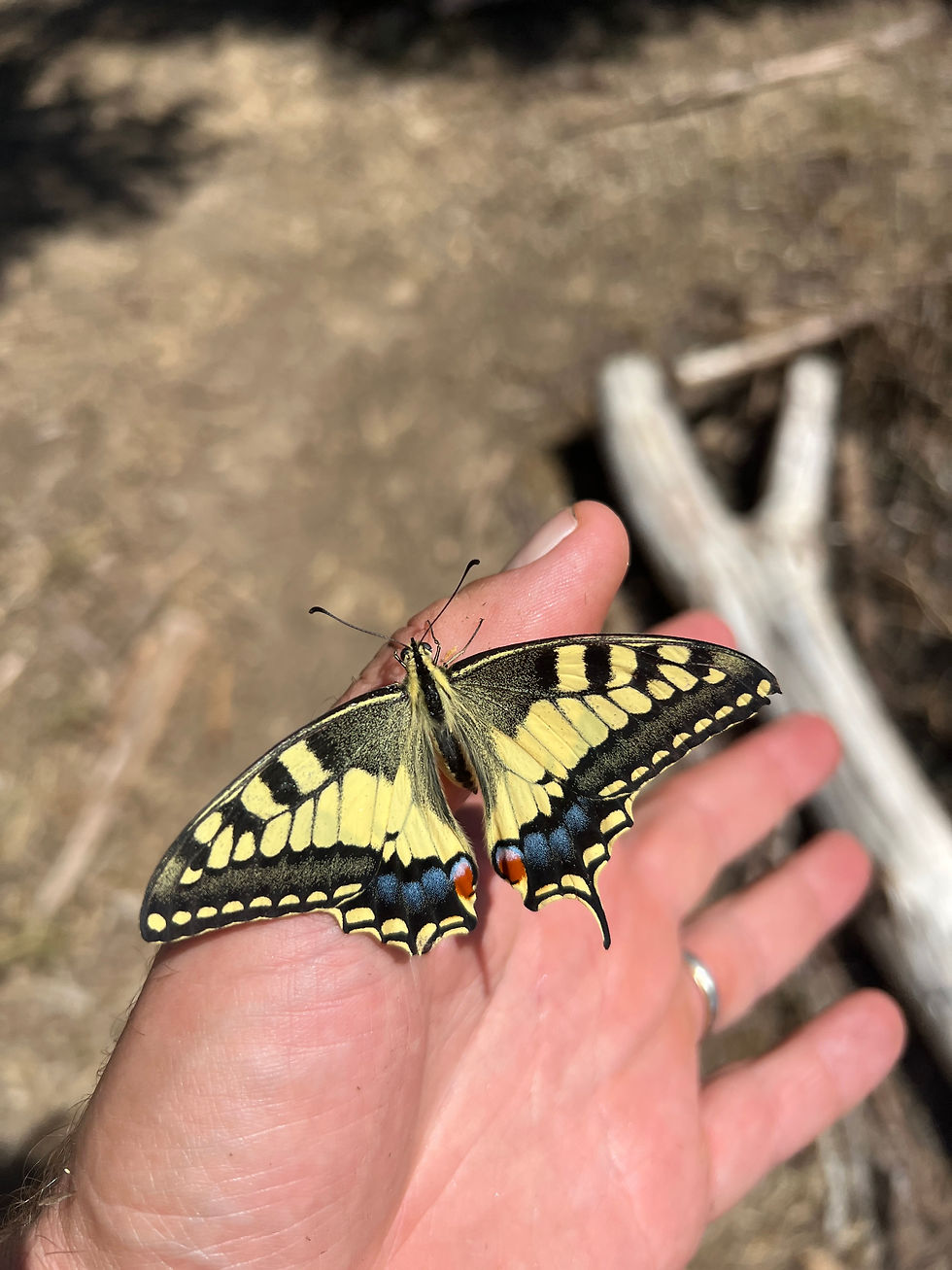
Ready to build your own drought-tolerant pollinator paradise? Stick around, and don’t forget to check out Herman’s Tough Kraut Fixes at the end for extra tips on common bumps along the way.
Why Drought-Tolerant Pollinator Planting Matters
In Mediterranean-style summers—hot, dry, and merciless—traditional gardens demand more water than many of us can spare. But beneath those blazing days lies an opportunity: by choosing perennials adapted to drought, you conserve precious H₂O while feeding bees, butterflies, and other beneficial insects. According to Colorado WaterWise, xeriscaped gardens using drought-tolerant plants can reduce water use by up to 60 % compared to traditional lawn landscapes (Xeriscape Colorado). That’s not just a win for your water bill, it’s a win for biodiversity.
At Tough Kraut, we blend these science-backed insights with on-the-ground experience. On our off-grid plot in Central Portugal, wild cistus volunteers itself along every fence, creating early-season nectar. We follow it with lavender, salvia, agapanthus, and rosemary. Each a proven “pollinator magnet” that thrives on neglect once established. The result? A low-input, high-output ecosystem that stays green, stays alive, and keeps pollinators buzzing through the driest months.
Planting for Biodiversity
Diversity is your best defence against drought and a key to a thriving pollinator haven. Start by grouping plants with different bloom times, flower shapes, and growth habits. On our plot, wild cistus seeds itself readily, offering early nectar in March–April. Follow it up with lavender, salvia, and echium for a mid-season feast, then extend the buffet into autumn with centranthus, catmint, and rosemary. Agapanthus and eryngium add architectural interest and umbrella-style blooms that butterflies adore.
Flower Form: Mix open-cup blooms (cistus, centranthus) for bees with tubular or umbrella shapes (salvia, agapanthus, eryngium) for butterflies’ long proboscises.
Spatial Layers: Plant low-growing catmint and centranthus at the front, medium‐height lavender and salvia in the middle, and taller agapanthus and eryngium at the back or near a water catchment.
Soil & Exposure: All these species thrive in lean, free-draining soil and full sun. Avoid rich beds, drought-adapted natives resent waterlogged roots.
Tough Tip: When planting your “pollinator magnets,” dig each hole twice as wide as the root ball but no deeper. Backfill with native soil, no fancy compost, and mulch with a 5 cm layer of gravel or coarse bark to retain heat and deter weeds.
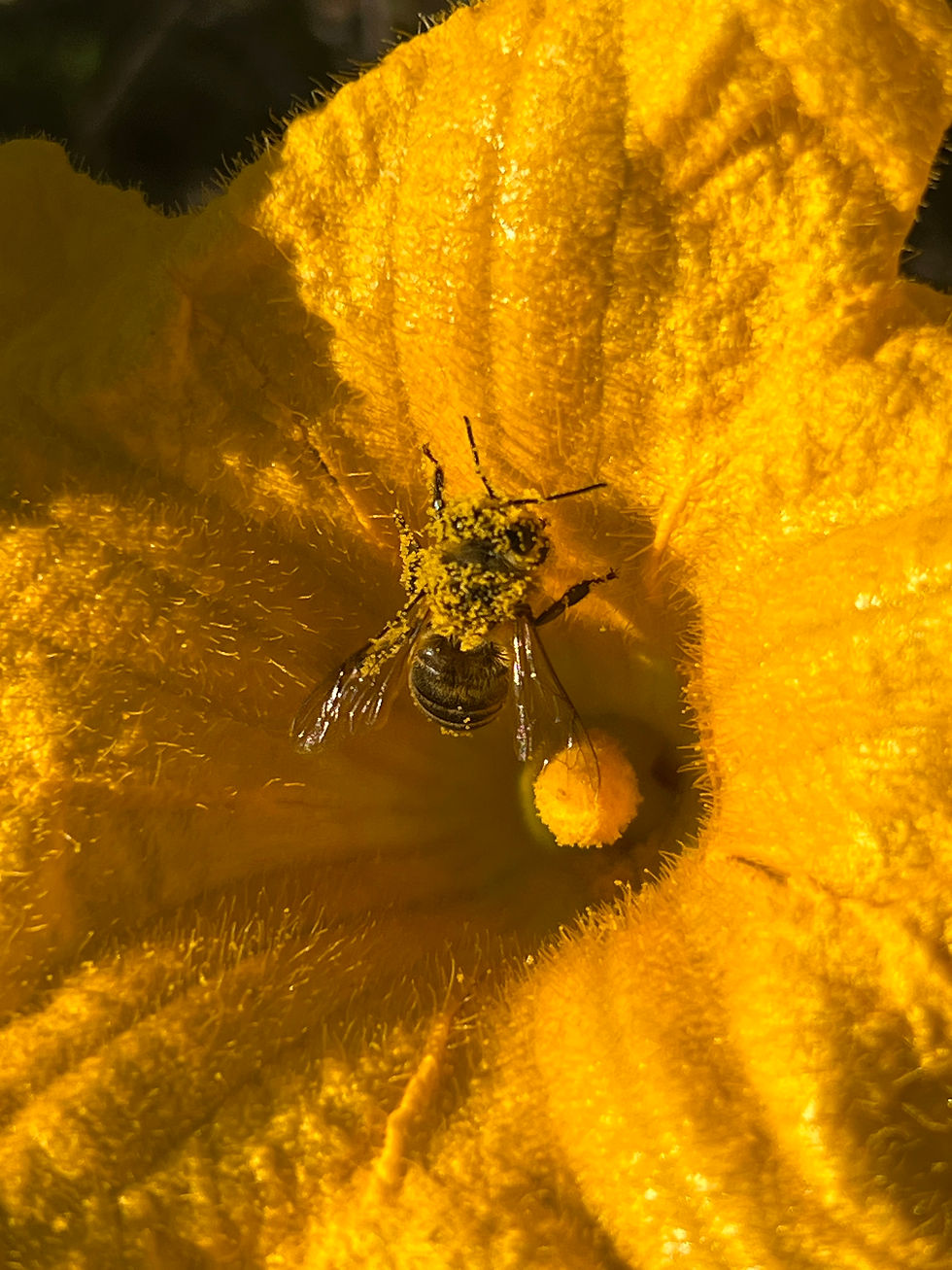
Seasonal Bloom Chart
A continuous bloom calendar ensures nectar is always available. Here’s a quick guide to peak flowering months (Northern Hemisphere):
Plant | Mar | Apr | May | Jun | Jul | Aug | Sep | Oct | Nov |
Cistus | ● | ● | ● | ||||||
Lavender | ● | ● | ● | ● | |||||
Salvia | ● | ● | ● | ● | ● | ● | ● | ||
Agapanthus | ● | ● | ● | ||||||
Rosemary | ● | ● | |||||||
Echium | ● | ● | |||||||
Centranthus | ● | ● | ● | ||||||
Catmint | ● | ● | ● | ||||||
Eryngium | ● | ● | ● | ● |
● = peak bloom
Tough Tip: Plant in drifts (groups of 5–7) rather than singles. Pollinators can spot a clump of lavender or salvia from farther away, boosting visits by up to 50%.
Habitat Creation
Beyond flowers, you need shelter, water, and nesting spots.
Shelter & Overwintering
Let rosemary and cistus form woody thickets at the garden’s edge. These dense shrubs offer roosting spots and windbreaks.
Water & Puddling Stations
Butterflies need moist minerals. Place a shallow dish filled with sand and just enough water to keep it damp near agapanthus clusters. Refresh weekly.
Nesting Sites for Solitary Bees
Install a bee hotel facing south under a small overhang. Line it with untreated bamboo tubes (5–8 mm diameter). Position it close to your cistus patch so emerging bees can immediately forage.

Tough Tip: Skip the store-bought bee blocks, they rot quickly. Instead, bundle hollow plant canes (like old nettle or bamboo stems) and tie them in a heart shape; it’s free and more durable.
Maintenance & Drought Strategies
Once established, these plants shun fuss. Here’s how to keep them humming through the driest spells:
Mulching: Apply a 5–8 cm layer of gravel or coarse bark after planting. It reflects heat, reduces evaporation, and keeps roots cool.
Watering: During the first season, give each new plant 5 L (1.3 gal) weekly. From year two on, skip irrigation except in extreme heat (>35 °C) for more than a week.
Pruning:
Lavender & Rosemary: Lightly trim spent spikes after flowering to maintain shape and prevent woodiness.
Salvia: Cut back by one-third in mid-summer to trigger a fresh flush in autumn.
Soil Refresh: Every 3–4 years, gently fork in a handful of grit or fine limestone around catmint and centranthus to mimic their native, alkaline soils.
Tough Tip: Use a moisture meter to avoid over-watering. Even drought lovers drown in consistently wet soil. Aim for 10–20 % soil moisture before giving them a drink.
From Dry Soil to Thriving Life: Your Next Step Toward a Resilient Garden
By choosing hardy, drought-tolerant pollinator plants—wild cistus, lavender, salvia, agapanthus, and rosemary—you create a low-input oasis that stays vibrant when water’s scarce. Your garden becomes a season-long buffet for bees and butterflies, teeming with life instead of wilting under the sun. Embrace biodiversity, layer your blooms, and build simple habitats to support every stage of your pollinators’ lives.
Now it’s your turn: mix those “pollinator magnets” on your plot, watch the flutter and hum return, and share your success with the Kraut Crew on social media. Let’s keep our ecosystems resilient—together.
Herman’s Tough Kraut Fixes: Common Drought-Tolerant Pollinator Plant Challenges
Troubleshooting your drought-tolerant pollinator paradise is simpler when you know what to look for. In this FAQ-driven guide, you’ll find clear questions and answers to keep your lavender, salvia, agapanthus, rosemary, and wild cistus thriving even in the driest months. Use these tips to diagnose problems quickly and restore your garden’s buzz.
Whether you’re seeing leggy growth, sparse blooms, or unoccupied bee hotels, this Troubleshooting FAQ section walks you through five common issues with step-by-step fixes. Keep this as your go-to resource when the going gets tough—Herman’s Tough Kraut Fixes will get you back on track.
Q: Why is my lavender leggy and bare at the base?
A: Lavender ages out on old wood that won’t resprout. In early autumn, lightly trim back one-third of the plant, cutting just above a pair of healthy leaves. This promotes bushy growth next season. If more than half the stems are woody, replace the plant—lavender performs best when renewed every 3–4 years.
Q: My agapanthus flowers are few. What’s the fix?
A: Sparse blooms usually mean poor bud set. Ensure at least six hours of direct sun and lean, free-draining soil. Gently fork around the clump to break compaction, then apply a handful of bone meal or rock phosphate in late winter. Avoid high-nitrogen feeds that favour foliage over flowers.
Q: Some rosemary tips are dying back—how do I save it?
A: Tip dieback often signals water stress or fungal crown rot. Check soil moisture—rosemary prefers rock-dry conditions between deep, infrequent waterings. If roots sit wet, lift the plant, prune away rotted sections, and replant in raised, gritty soil. Mulch with 5 cm of gravel to keep crowns dry.
Q: My bee hotel remains empty. What can I do?
A: Position matters: face it south or southeast under an overhang to stay dry. Use bamboo or cane tubes 5–8 mm in diameter and 10–15 cm long. Replace moldy tubes yearly. Place the hotel within 5 m (16 ft) of your nectar plants—emerging bees need an immediate food source.
Q: Why isn’t my salvia reblooming in autumn?
A: Salvia needs a mid-summer haircut. In late July, shear back about one-third of each stem just above fresh growth. This stimulates leaf and bloom production in September. Follow with a light layer of mulch to moderate soil temperature and conserve moisture.
Recommended Books & Resources
Books
Attracting Native Pollinators: Protecting North America’s Bees and Butterflies
The Xerces Society Guide to creating habitat, identifying local pollinators, and selecting plants that support them year-round. Comprehensive regional plant lists and nesting-structure plans make this a go-to reference for ecological gardening.
The Pollinator Victory Garden: Win the War on Pollinator Decline with Ecological Gardening by Kim Eierman
A modern “victory garden” approach focused on bees, butterflies, beetles, bats, and more. Offers step-by-step habitat creation, plant lists, and seasonal care tips to convert any yard into a pollinator haven.
Planting for Honeybees: The Grower’s Guide to Creating a Buzz by Sarah Wyndham Lewis
A beautifully illustrated primer on choosing and timing plantings to feed honeybees. Perfect for small-space gardeners—from city window boxes to country plots—who want practical, year-round forage plans.
Resources
Nature’s Way Bird Products PWH1-A Bee House
A premium cedar bee hotel with multiple bamboo tunnels and a built-in hanger. Naturally rot-resistant wood and easy mounting let solitary bees nest safely close to your pollinator patch.
Woodlink Durable Cedar Mason Bee House & Planter
This dual-purpose cedar structure combines a planter box with fiberboard nesting tubes, providing both habitat and forage in one elegant unit. Drainage holes keep nest tubes dry, while nearby blooms feed emerging bees.
Tough Kraut Resources
Our go-to hub for gardening tools, apothecary staples, compost systems, and books that fuel practical self-reliance.


Comments