
Salix caprea (Goat Willow)
- Herman Kraut

- 2 hours ago
- 5 min read
Common Name: Goat Willow, Pussy Willow
Scientific Name: Salix caprea
Plant Family: Salicaceae
Lifecycle: Perennial (Deciduous Tree)
Salix caprea is a fast-growing willow species commonly found along rivers, wetlands, and disturbed soils across Europe. On our Quinta in Central Portugal, it naturally grows along the bordering riverbank, thriving in moist soils and even rooting between stones in an old granite flood-protection wall. For gardeners interested in growing Goat Willow in Mediterranean climates, this tree offers exceptional value as a biomass producer, windbreak plant, and wildlife-supporting pioneer species.
For in-depth guides and curated tools, be sure to check out our Recommended Books & Resources below.
Plant Profile
Characteristic | Information |
Climate Suitability | USDA Zones 4–8; Köppen Csa / Csb / Cfb |
Sun / Shade Needs | Full sun to partial shade |
Watering Needs | High when young; drought tolerant once established in deep soils |
Soil Preferences | Moist soils preferred; tolerates clay, sand, and rocky soils |
Spacing & Height | 4–6 m spacing; 6–12 m height (20–40 ft) |
Propagation Method(s) | Hardwood cuttings, water-rooted cuttings, seed |
Planting Timeline | Late winter to early spring during dormancy |
Companion Plants | Comfrey, alder, elderberry, nettle |
Edible / Medicinal / Ecological Uses | Biomass production, early pollen for bees, erosion control |
Pest / Disease Considerations | Susceptible to rust, aphids, and willow beetles |
Pruning / Harvest Notes | Coppice every 1–3 years for biomass or weaving material |
Quick Plant Reference
Care Level: Easy
Optimal Sunlight: Full sun to partial shade
Water Needs: Moderate to high during establishment
Mature Size: 6–12 m height (20–40 ft) with similar spread
Soil Type: Moist soils preferred but adaptable
Humidity: Medium to high
Toxicity: Non-toxic to humans; bark contains salicin
Beneficial Pollinators: Early-season bees and hoverflies
Health Benefits: Traditionally used for pain-relieving salicin compounds
Chilling Hours: Not relevant
Pollination Requirements: Dioecious species (male and female plants separate)
Our Salix caprea Application @ Tough Kraut
Along the edge of the river bordering our property, Goat Willows already grow naturally on the riverbank and even out of the cracks of an old granite flood wall. That wall was built decades ago to protect the lower part of the land from winter flooding, and the willows seem perfectly happy colonizing it.
For the last two years we have taken hardwood cuttings during February, planting them along our fence line to create a future windbreak and biomass source. The approach is intentionally simple: cut branches, push them into the soil using a Gardena garden fork, and let nature decide which ones survive.
Most of these cuttings receive no watering at all, and many don’t survive the Mediterranean summer heat. But a few do. Those planted in areas with occasional irrigation or slightly cooler microclimates have noticeably higher survival rates.
Propagation is essentially free, so the strategy is simple: plant more cuttings than you think you need. Over time, improving soil conditions and developing microclimates should increase the success rate.
Step-by-Step Growing Guide
1. Choose the Right Site
Goat Willows prefer moist environments like riverbanks, swales, or seasonal drainage areas. In Mediterranean climates, partial shade or proximity to water greatly improves survival rates.
2. Prepare the Soil
Little preparation is required. These pioneer trees tolerate poor soils and often establish in rocky or disturbed ground.
3. Plant the Tree/Plant
Hardwood cuttings can simply be pushed into the ground during dormancy. Bury about one-third to one-half of the cutting for better stability and root formation.
4. Water Consistently
Cuttings planted in dry soils benefit from occasional watering during the first summer. However, some growers intentionally skip irrigation to select only the most resilient plants.
5. Ensure Proper Pollination
Goat Willows are dioecious, meaning male and female flowers grow on separate trees. Pollination occurs via insects attracted to the early spring catkins.
6. Prune Annually
Willows respond well to coppicing. Cutting them back every few years produces straight rods useful for weaving or biomass.
7. Manage Pests and Diseases
Most problems are cosmetic. Aphids and rust may appear, but established trees usually outgrow minor infestations.
8. Harvest and Store
Branches can be harvested for weaving, mulch, or biochar feedstock. Young shoots are the most flexible.
9. Note
If cuttings repeatedly fail during summer, consider pre-rooting them in water or pots before planting out. However, cuttings that root directly in place often develop stronger long-term resilience.
Kraut Crew Insight
Willows are a perfect reminder that propagation doesn’t always need to be complicated. A branch, a shovel, and a bit of patience can be enough. Some cuttings fail, some succeed, and the survivors quietly become part of the landscape.
Photos





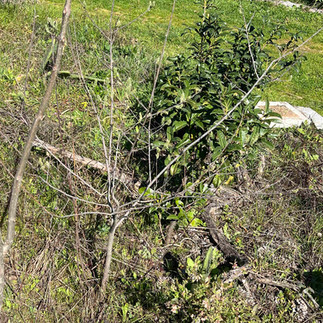


Herman’s Tough Kraut Field Notes: Solving Goat Willow Cultivation Challenges
Growing Salix caprea often looks deceptively easy in books. In reality, the process involves a fair amount of trial, error, and troubleshooting, especially when attempting to establish willows outside their preferred wet habitats.
Many readers ask similar FAQ-style questions about propagation success, watering, and placement. Based on our observations along the river and across the drier parts of the property, here are the most common challenges and what we’ve learned so far.
Q: Why do my willow cuttings die during summer?
A: Mediterranean summers can simply be too dry. Cuttings that receive occasional watering or partial shade have significantly higher survival rates.
Q: Should I root willow cuttings in water first?
A: It increases success rates, but planting cuttings directly in place may produce stronger, better-adapted trees.
Q: How deep should a cutting be planted?
A: Ideally bury at least one-third of the branch in soil to ensure stable rooting and moisture access.
Q: Can Goat Willow grow in dry soils?
A: Mature trees can tolerate some drought, but young cuttings struggle without moisture during the first year.
Q: Why didn’t my woven willow fence root?
A: Living willow structures require consistently moist soil during the rooting phase. In dry climates they often fail unless irrigation is provided.
Recommended Books & Resources
Books
The Woodland Way: A Permaculture Approach to Sustainable Woodland Management by Ben Law
Ideal for readers who see Goat Willow as more than a tree: this book connects coppicing, woodland stewardship, biomass, and practical long-game thinking for homesteaders.
The Plant Propagator’s Bible by Miranda Smith
A strong fit for your post because it is built around step-by-step propagation methods, including seeds, cuttings, layering, grafting, and budding, which makes it especially useful for readers wanting to improve their willow success rate.
Plant Propagation A to Z: Growing Plants for Free by Geoff Bryant
A practical “multiply what works” reference that covers more than 1,000 plants with step-by-step photos, making it a great match for Tough Kraut readers who like low-cost experimentation and repeatable results.
Resources
Gardena ErgoLine Spading Fork
A rugged, ergonomically designed digging fork that penetrates compact soil and grass roots with ease, making it perfect for quickly planting hardwood willow cuttings or loosening tough ground along fence lines.
Fiskars Bypass Pruning Shears (5/8-inch Cut Capacity)
These sharp, lightweight bypass pruners deliver clean cuts on fresh willow branches, helping you harvest healthy hardwood cuttings that root faster and establish more reliably.
Ball Wide Mouth Glass Mason Jars (32 oz)
Simple, durable, and endlessly reusable, these wide-mouth mason jars are ideal for rooting willow cuttings in water while giving you an easy way to watch new roots develop.
Tough Kraut Resources
Explore our curated list of pruning tools, propagation gear, and organic gardening supplies tested on our homestead.
Entry last updated: 2026-03-09
This post is part of the Tough Kraut Plant Library, documenting what really grows on our off-grid homestead in Central Portugal.


Comments