
Vegetable Planting in September: Zone 8a Mediterranean Focus

September in Zone 8a is a month of transition. The blazing summer sun starts to ease, nights cool just enough, and the soil still holds the warmth that seeds love. It’s a sweet spot for gardeners who don’t want their harvest to end with summer.
The challenge? Timing. Sow too late and your seedlings stall in cold soil. Sow too early and heat or pests take their toll. Add in the uncertainty of dry spells or early autumn rains, and September can feel like a gamble.
But here’s the good news: with the right choices and a few practical tricks, you can fill your beds with crisp greens, sturdy roots, and even potatoes that see you through to winter. From direct-sown radishes and peas to onion sets and indoor brassicas, this is the month to shift your garden into cool-season gear.
This post is part of our September gardening mini-series, built around the centerpiece guide: What to Plant in September: Mediterranean Zone 8a Guide. Together, these posts cover everything from vegetables to flowers, shrubs, soil prep, and even troubleshooting the season’s common challenges.
Ready to dive in? Let’s map out what to plant, how to protect it, and how to keep your soil thriving. And don’t skip the end of this guide — that’s where you’ll find Herman’s Tough Kraut Fixes, a hands-on Troubleshooting FAQ drawn straight from the trenches of my Portuguese garden.
Why September Matters in Zone 8a
September vegetable planting zone 8a conditions are unique: long, dry summers give way to mild winters, with a narrow autumn window that makes or breaks your cool-season harvests. By September, the soil is still warm from summer, but the air begins to cool just enough for tender greens and roots to germinate without bolting.
This balance is what makes September so powerful. Seeds that struggled in midsummer heat — like spinach and lettuce — now take off with less stress. Root crops such as carrots, beets, and turnips thrive in soil that’s had time to mellow, while brassicas started indoors have a fighting chance against early pest pressure.
Science backs this up: germination rates are higher when soil stays consistently moist and temperatures range between 10–20°C (50–68°F). That’s exactly the sweet spot Mediterranean Zone 8a offers in early autumn. Add mulch to lock in soil moisture, and you create the conditions for steady, predictable growth.
On our Quinta in Portugal, this is when the garden shifts gears. The summer beds of tomatoes and peppers start winding down, but the promise of crisp kale, earthy radishes, and even a late round of potatoes keeps momentum going. September isn’t the end of the growing year here — it’s the reset button that sets the tone for autumn harvests.

Direct Sow for Fast Rewards
September is the month to refresh your beds with quick-growing cool-season vegetables. Direct sowing now ensures fast germination and a steady harvest before winter sets in.
What to plant:
Radishes — Fast to mature (20–30 days), they’re the perfect succession crop. Sow every two weeks for a rolling harvest.
Carrots & Beets — Both thrive in loose, stone-free soil. Thin seedlings early to avoid crowding.
Turnips — A versatile root for soups, stews, or greens. Harvest young for tender flavor.
Leafy greens (kale, spinach, lettuce) — Cooler nights prevent bolting, and partial shade helps early September sowings.
Peas — Sow varieties suited for fall to take advantage of cooler weather before frost arrives.

Soil prep tip: Keep seedbeds fine and even, free of clumps that block germination. A thin layer of straw or compost as a top-dress helps retain moisture during dry spells.
Onion Sets & Fall Potatoes
While most summer crops are winding down, September opens the door for longer-season alliums and, in the right conditions, another round of potatoes.
Onion Sets
Plant shallow so that the tips are just poking above the soil.
Space 8–10 cm (3–4 in) apart in rows, leaving 25–30 cm (10–12 in) between rows.
Keep soil moist but not waterlogged — dry spells can stress young bulbs, while soggy ground invites rot.
Fall Potatoes
Best suited to warmer microclimates within Zone 8a, where autumn frost arrives late.
Plant in early September while soil is still warm. Waiting even a few weeks can leave tubers vulnerable to cold, wet soil.
Dig trenches, water deeply before planting, then mulch with straw to regulate soil temperature.
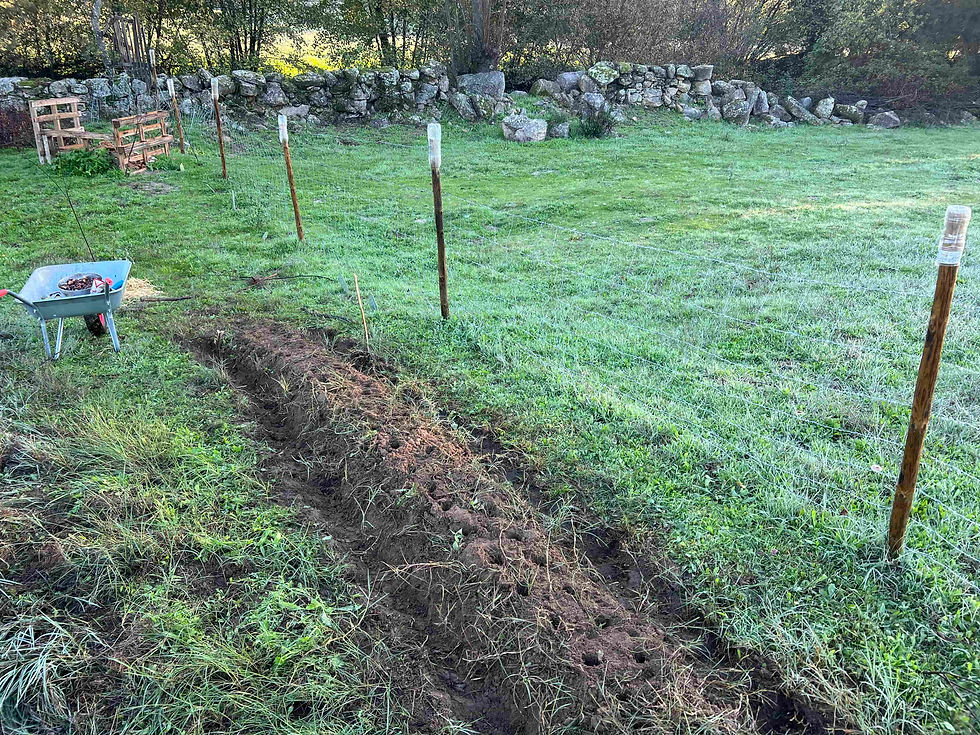
Variety tip: Choose early-maturing potato varieties (like ‘Charlotte’ or ‘Red Duke of York’) to increase your chances of harvesting before frost.
Indoor Starts for Brassicas
September is the right time to get a head start on your autumn brassicas. Crops like cabbage, broccoli, cauliflower, and Brussels sprouts benefit from being started indoors or under cover rather than direct-sown outdoors.
Why indoors?
Early September is still warm enough for pests like flea beetles and cutworms to wreak havoc on young seedlings.
Indoor trays or a polytunnel give you a controlled environment with steady moisture and protection from heat spikes.
By October, seedlings will be sturdy enough for transplanting into beds enriched with compost.
How to start:
Sow seeds in seed trays or small pots filled with a fine compost mix.
Keep soil evenly moist and provide good airflow to prevent damping-off.
Aim to transplant in 4–6 weeks, when seedlings have 4–6 true leaves.
Variety tip: Compact broccoli cultivars like ‘Calabrese’ or cauliflower types (Brassica oleracea var. botrytis) are reliable choices for autumn succession planting.
Tough Tip: I’ve tried sowing broccoli and cauliflower directly before — and failed every time. Cutworms and heat stress took them out. This year, I’m starting my cauliflower seeds (Brassica oleracea var. botrytis) in trays inside our polytunnel. I’d rather deal with transplant shock than lose the whole crop.
Pest, Rotation & Mulching Basics
Even in a Mediterranean Zone 8a autumn, September planting isn’t free from challenges. A little prevention now will save you frustration later.
Watch the Pests
Cutworms: Common across Portugal, these soil-dwelling larvae chew seedlings clean off at ground level. Protect young plants with cardboard or plastic collars, or check beds at dusk to hand-pick offenders.
Aphids: Warm, dry spells encourage aphid colonies. A blast of water, a neem spray, or encouraging ladybugs can keep populations under control.
Ants: In Mediterranean climates, ants are notorious for carrying off spinach, lettuce, and carrot seeds before they sprout. Light mesh or sowing thicker can help if pressure is high. But here’s an encouraging note: as our land in Portugal has begun to recover over three years, I’ve seen the ant colonies shift toward wild seeds and grasses. This season, I watched them carrying awns into our stone house walls instead of raiding my veggie rows. It’s proof that giving nature back its diversity also gives you a break in the garden.
Practice Rotation
Crop rotation keeps soil healthier and pests guessing. Avoid planting members of the same family in the same bed season after season.
Avoid planting members of the same family in the same bed season after season.
Example: Don’t follow last season’s kale with new cabbage or broccoli — this builds up soil-borne disease and pest cycles.
Even a basic rotation of roots → brassicas → legumes → alliums can help keep soil healthy.
Watering & Mulch
Consistent moisture is the difference between patchy germination and strong starts. Light, regular watering is better than heavy, occasional soakings.
A thin mulch layer of straw, shredded leaves, or compost:
Retains soil moisture
Keeps soil temperatures stable during early autumn swings
Suppresses weeds competing with seedlings

Tough Tip: Last September, I lost half a row of spinach to ants. They carried off the seed overnight! Now I protect rows with mesh until germination and keep the soil moist to make it less attractive. It’s a simple step, but it’s the difference between an empty row and a full harvest.
Turning September into Opportunity
September doesn’t have to be the end of your garden’s story — in Zone 8a Mediterranean climates, it’s the beginning of a new chapter. Direct-sown radishes, carrots, and peas bring quick results. Onion sets and fall potatoes extend your harvest into winter. And brassicas started in trays now will anchor your cool-season beds for months to come.
The key is balance: protect seedlings from pests, rotate crops for long-term soil health, and lock in moisture with mulch. Do that, and your September planting will carry you through autumn with fresh greens and strong roots instead of empty beds.
Gardening here in Portugal has shown me that resilience comes one season at a time. Each September is a chance to reset, try again, and get closer to a self-sufficient rhythm.
Want more step-by-step guides, seasonal planting tips, and a behind-the-scenes look at our off-grid life? Join the Kraut Crew — our growing community of gardeners and homesteaders learning together. You’ll get early access to resources, fresh updates from the land, and a support network rooted in resilience.
Herman’s Tough Kraut Fixes for September Vegetable Planting in Zone 8a
Even the most careful September planting in Zone 8a can come with surprises. Seeds vanish, germination stalls, or young plants don’t thrive as expected. This Troubleshooting FAQ highlights the most common issues I’ve faced with September vegetable planting in Mediterranean conditions — and how you can fix them before they derail your season.
Q: Why aren’t my carrot or beet seeds sprouting?
A: In September, soil can dry out quickly on the surface, forming a crust that blocks germination. Keep beds consistently moist with light, frequent watering, and consider laying a board or light mulch over rows until seedlings appear.
Q: My brassica seedlings disappear overnight. What’s happening?
A: In Portugal, cutworms are the usual suspects. They slice seedlings at soil level. Protect transplants with cardboard collars or scatter crushed eggshells around stems. Starting in trays or a polytunnel also sidesteps this problem.
Q: Ants are carrying off my seeds — how do I stop them?
A: Ants love spinach, lettuce, and carrot seeds. Cover rows with a fine mesh or sow a little thicker than needed to account for losses. In my case, as the land recovered with more wild plants, ants turned to collecting awns and grasses instead of raiding my vegetable rows. More biodiversity means fewer raids on your seedlings.
Q: Can I still plant potatoes if it’s mid-September?
A: Only if your microclimate is warm enough to delay frost and soil stays above 10°C (50°F). Otherwise, hold off until spring. If you do try, stick with early-maturing varieties and mulch heavily for insulation.
Q: My lettuce is bolting instead of producing leaves. How can I prevent this?
A: Early September heat can stress lettuce. Provide partial shade in hot spells, water consistently, and choose bolt-resistant varieties. Planting in succession (every 2–3 weeks) ensures you always have fresh heads coming on.
Recommended Books & Resources
Books
The Year-Round Vegetable Gardener by Niki Jabbour
Clear, practical methods for cool-season production using covers, timing, and simple protection. A strong companion for September planning and quick wins.
Four-Season Harvest by Eliot Coleman The classic on season extension. Cold frames, low tunnels, and soil-first methods that translate well to Mediterranean Zone 8a.
The Winter Harvest Handbook by Eliot Coleman
Step-by-step systems for unheated structures. Ideal if you’re building polytunnel routines for autumn transplants.
Backyard Winter Gardening by Caleb Warnock
Straightforward techniques for growing without artificial heat. Good perspective for low-tech resilience.
Resources
Gardena Micro-Drip System – Vegetable Bed Kit
Ready-to-use drip set sized for beds. Delivers even moisture during dry September spells, improves germination, and reduces water waste. Ideal for consistent, light watering after direct sowing.
Floating row cover
Lightweight fabric for germination, aphid suppression, and a touch of frost insurance on greens. Choose a size you’ll reuse.
72-cell seed-starting kit with dome
Durable trays for starting broccoli, cauliflower, cabbage, and Brussels sprouts in the polytunnel. Reusable beats flimsy.
Analog soil thermometer
Confirms bed temperatures for fall potatoes and consistent germination on carrots and beets. Simple, reliable, no batteries.
Tough Kraut Resources
Our handpicked collection of essential tools, books, pantry picks, and composting gear to build resilience from soil to shelf.


Comments