
Soil Preparation and Season Extension Tactics for Autumn

By the time autumn rolls in, many gardens are simply tired. Beds have been pushed hard all summer, soil nutrients are drained, and the living network of microbes that powers plant growth is running low on fuel. Leave it unchecked, and your autumn crops will limp along instead of thriving. The good news? Autumn is the perfect reset button. With the right soil preparation and some simple season extension tactics, you can revive tired beds, keep greens growing, and set the stage for an abundant spring.
If you’re looking for the bigger picture of what to plant now, start with the main guide in this mini-series: What to Plant in September: Mediterranean Zone 8a Guide. And don’t miss the Recommended Books & Resources at the end of this post for deeper dives into soil care and season extension.
Why Autumn Soil Prep and Season Extension Matter
Healthy soil isn’t just dirt, it’s a living community. Every handful contains billions of bacteria, fungi, and tiny creatures that cycle nutrients, improve structure, and hold moisture. By late summer, after months of heavy cropping, this underground workforce is often exhausted. Beds that were fertile in spring can turn compacted, nutrient-poor, and less able to absorb autumn rains. Without replenishment, plants struggle to establish, leaving gaps for weeds to thrive.
In Mediterranean Zone 8, the challenge is twofold: soils swing between bone-dry summers and sudden bursts of autumn rain. That means you need strategies to recharge fertility while also managing water. A layer of compost, topped with mulch, feeds microbes and protects soil from erosion, while also buffering moisture so roots don’t drown or dry out.
Season extension plays a critical role too. Shorter days and cooler nights don’t have to spell the end of fresh harvests. Low-tech solutions like cloches, row covers, and polytunnels create microclimates that keep crops like spinach, lettuce, and brassicas growing steadily. Think of them as insurance against early frosts and unpredictable weather patterns.
Finally, autumn is a chance to plan ahead. Succession sowings now can provide continuous greens into winter, while lawn aeration and overseeding set the stage for resilient growth in spring. In permaculture, autumn isn’t just the end of a season — it’s the foundation for the next one.
Autumn Soil Preparation for Resilient Beds
Autumn soil preparation is less about starting fresh and more about rebuilding what the summer garden took away. After months of heavy growth, your soil is likely depleted of nutrients, compacted from watering or foot traffic, and exposed to erosion as plant cover thins. If you don’t address these issues now, your autumn and winter crops will pay the price.
Start by spreading a 5–7 cm (2–3 inch) layer of mature compost across your beds. This feeds soil life, improves structure, and locks in nutrients ahead of the cooler months. Compost also boosts your soil’s sponge-like ability to hold water without becoming waterlogged — a critical balance in Mediterranean Zone 8a where autumn rains can arrive suddenly after a long dry spell.
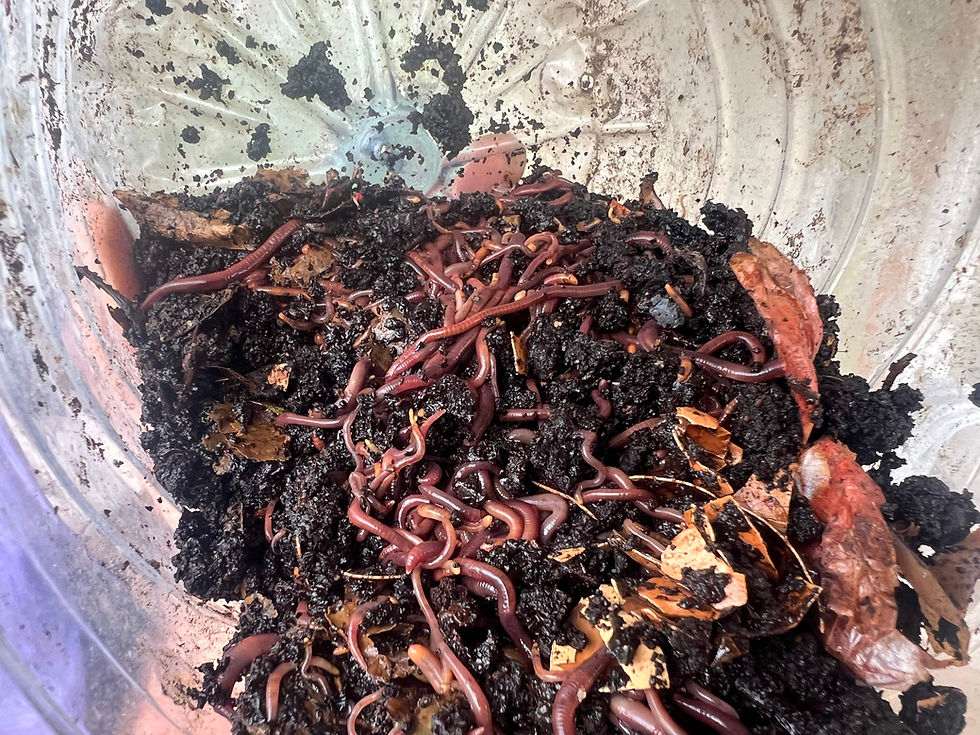
Next, mulch the surface with straw, shredded leaves, or even pruned garden waste. Mulch acts like a blanket, protecting microbes from temperature swings, reducing erosion, and discouraging weeds from moving in. If you have bare areas, resist the urge to leave them exposed. Even a temporary mulch will keep your soil healthier than naked earth.
Finally, avoid heavy tilling. While it may be tempting to “fluff” compacted soil, digging disrupts the web of fungi and microbes that sustain fertility. Instead, let compost and mulch do the heavy lifting. Over time, soil organisms will rebuild the structure naturally, creating a stronger foundation for autumn sowings and next year’s spring crops.
Tough Tip: If you’re short on compost, prioritize high-value beds where fast-growing greens or overwinter crops will go. You can always return to less critical areas in spring when fresh compost is available.
Smart Season Extension Tactics for Zone 8a Gardens
Autumn doesn’t have to mean shutting down your garden. With a few simple tools, you can stretch your harvest window by weeks — sometimes months. Season extension in Zone 8a is less about fighting hard frosts and more about giving crops stable, comfortable conditions as days shorten and nights cool.
Start small with cloches or plastic bottles cut in half. These mini-greenhouses trap warmth around seedlings, helping them push ahead even when nights dip into single digits. For a larger area, row covers or horticultural fleece offer lightweight protection. They even out temperature swings, buffer plants from drying winds, and let in both rain and sunlight.

If you’re serious about autumn and winter growing, a polytunnel is one of the best investments for Mediterranean gardens. Polytunnels create a stable microclimate, keeping soil warmer and plants actively growing long after unprotected beds slow down. Even a small tunnel tucked against a stone wall can produce salads and herbs throughout winter. For detailed sowing strategies, check out our Polytunnel Planting Guide for September in Zone 8.
The key is combining healthy soil with the right level of protection. Compost-rich beds under a tunnel or row cover will keep crops thriving far longer than tired soil exposed to fluctuating conditions. It’s not about chasing frost dates but about giving plants a steady, stress-free environment.
Tough Tip: Ventilation matters as much as warmth. Open covers on sunny days to prevent humidity build-up and let morning dew evaporate — that way you avoid mildew while still harnessing nature’s free moisture.
Succession Planting for Continuous Harvests
One of the most common mistakes in autumn gardening is sowing everything at once. The result? A flood of greens ready in October, followed by bare beds for the rest of the season. Succession planting solves this by staggering sowings so that harvests keep coming week after week.
In Mediterranean Zone 8a, you can sow quick crops like radishes, spinach, and lettuce every two to three weeks through early autumn. Each batch matures at a slightly different time, giving you a rolling harvest rather than a single glut. For slower crops like brassicas, start them early and follow with a second sowing of faster greens in the same bed once space opens up.
Timing is everything. Use your polytunnel or row covers to stretch the season further, but also be realistic about day length. As autumn advances, growth slows. Staggering sowings ensures you always have something at its peak, even when daylight drops.
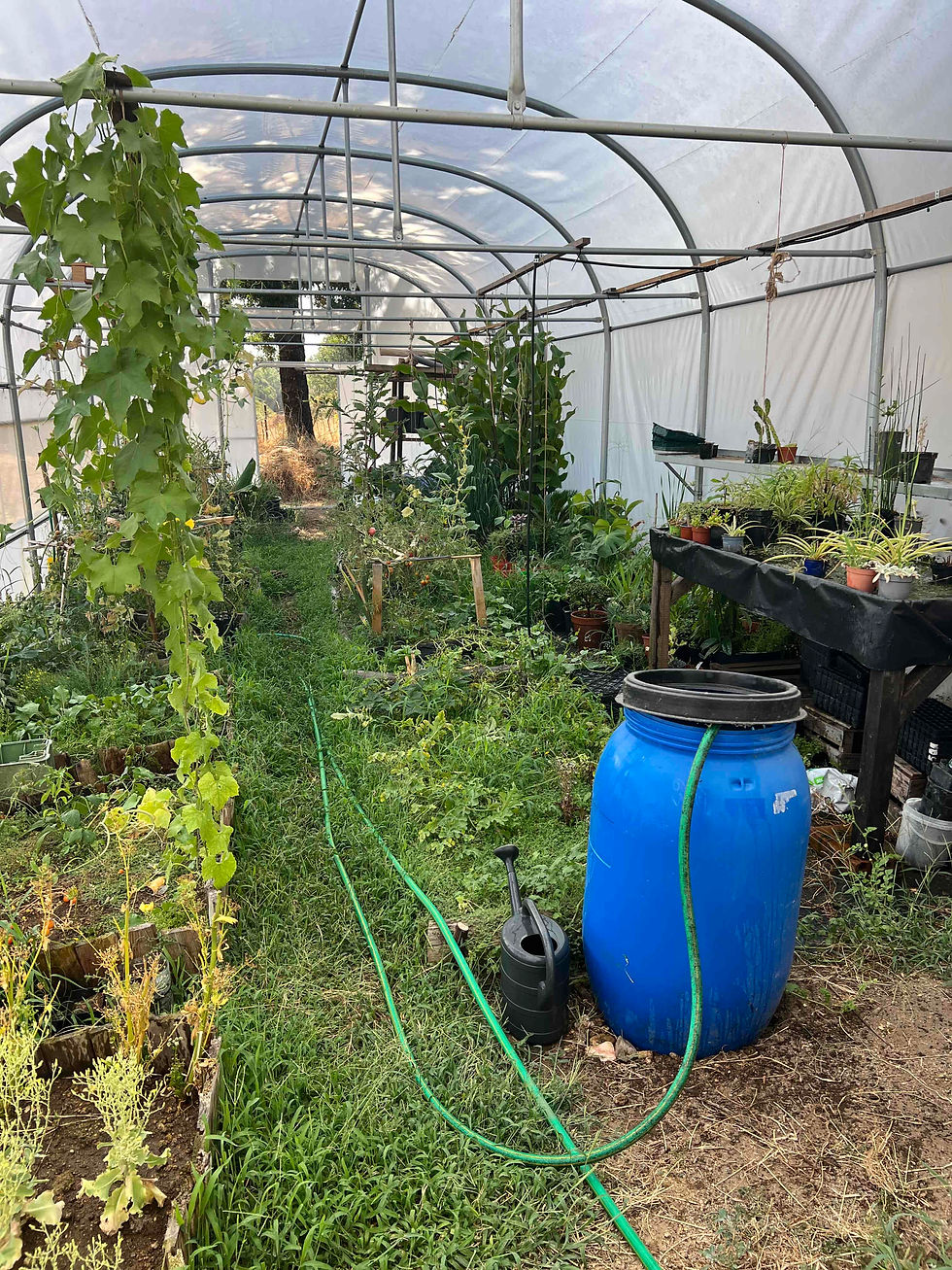
For specific crop recommendations and practical planting examples, check out our post Vegetable Planting in September: Zone 8a Mediterranean Focus. It’s a natural companion to these succession planting strategies and shows exactly which vegetables to rotate for a steady autumn harvest.
Tough Tip: Keep a simple notebook or calendar to track sowing dates. Even just noting, “Spinach, 5 September” helps you refine timing from year to year — turning guesswork into a reliable system.
Lawn Preparation for Autumn Growth
For many growers, gardeners, and homeowners, autumn is the ideal time to rethink the role of the lawn. Traditional lawns are thirsty, low in biodiversity, and contribute little to soil fertility. Transforming even part of that space into beds for vegetables, herbs, or wildflowers can reduce water use, increase resilience, and turn a passive patch of green into a productive ecosystem. In Mediterranean climates, this shift often means the difference between a high-maintenance chore and a low-input abundance.
That said, not every lawn needs to disappear. A small, well-managed patch can serve a social purpose — a place for kids to run barefoot, pets to play, or friends to gather. At Tough Kraut, I’m planning a modest lawn in front of our stone house as a communal space, framed by productive plantings. The goal isn’t endless mowing, but creating balance between utility and ecology.
If you do keep a lawn, autumn is the best season to prepare it. Start by aerating compacted soil to improve root growth and water absorption. Follow with overseeding using turf-type tall fescue (Festuca arundinacea), the most reliable cool-season grass for Mediterranean summers. It has deep roots that endure hot, dry spells far better than ryegrass or bluegrass. For quicker establishment and winter color, you can add a small share of perennial ryegrass, while fine fescues like creeping red or hard fescue improve shade tolerance and reduce maintenance. A light top-dress of compost after seeding adds fertility without chemical inputs, ensuring your lawn is greener and more resilient.
Tough Tip: Mix in a little microclover with your grass seed. It naturally fixes nitrogen, reduces the need for fertilizer, and adds biodiversity — all while staying play-friendly for kids and pets.
Building Autumn Resilience from the Ground Up
Autumn isn’t just the winding down of summer; it’s the foundation for next year’s success. By rebuilding soil with compost and mulch, extending the season with simple covers or polytunnels, planning succession sowings, and making thoughtful decisions about lawns, you set your garden — and yourself — up for resilience. Each small step strengthens your soil, stretches your harvests, and keeps your connection to the land alive, even as days grow shorter.
At Tough Kraut, we believe self-sufficiency is built in seasons, not weekends. Every action you take now, from feeding the soil to choosing the right grasses, builds layers of abundance for tomorrow.
Ready to grow with us? Join the Kraut Crew — our community of gardeners, growers, and dreamers who are turning small steps into resilient lives. Together we share wins, troubleshoot setbacks, and celebrate the messy, rewarding path to self-sufficiency.
Herman’s Tough Kraut Fixes: Common Soil Preparation and Season Extension Challenges
Even with the best autumn plans, questions always pop up once you’re in the soil. Here are answers to the most common challenges I see when it comes to soil preparation and season extension.
Q: My soil turns heavy and sticky after autumn rains. How do I stop waterlogging?
A: Add organic matter before the rains arrive. A 5–7 cm (2–3 inch) layer of compost, topped with mulch, improves structure so water drains instead of pooling. Raised beds or shallow diversion channels also help in Mediterranean gardens where sudden downpours can hit tired soils hard.
Q: Is it too late to add compost if I’ve already planted?
A: Not at all. You can side-dress crops with compost by tucking it along rows or around plants, then covering with mulch. Soil life will slowly work it in, giving your crops a boost without disturbing roots.
Q: What’s the simplest season extension tool for a beginner?
A: Start with row covers or horticultural fleece. They’re lightweight, affordable, and easy to move on and off. If you’re ready to scale up, a polytunnel provides the most reliable buffer — check out my Polytunnel Planting Guide for September in Zone 8 for tips.
Q: My succession sowings don’t seem to grow evenly. What am I doing wrong?
A: Growth naturally slows as day length shortens, so later sowings won’t catch up to earlier ones. Stagger your crops with this in mind: plant quick growers like radishes or spinach later, and longer-season brassicas earlier. That way, you always have something at its peak.
Q: How do I keep an autumn lawn from compacting again?
A: Core-aeration is the best reset. Follow with overseeding tall fescue for drought resilience, then add a light compost top-dress. Encourage deeper roots by mowing higher (7–9 cm) so soil holds water and bounces back faster.
Recommended Books & Resources
Books
The Living Soil Handbook by Jesse Frost
No-till, compost, mulch, and biology in plain language. Actionable bed prep that aligns with your 2–3 inch compost layer and mulch strategy.
The Year-Round Vegetable Gardener by Niki Jabbour
Clear, practical season-extension playbook: cloches, row covers, low tunnels, and planting cadence you can adapt to Zone 8a. Great companion to our polytunnel guide.
The Winter Harvest Handbook by Eliot Coleman
A classic on unheated tunnels, crop selection, and timing for cool seasons. Helps you push salads and brassicas well past autumn without high tech.
Building Soils for Better Crops by Fred Magdoff & Harold van Es
Under-the-radar gold for home growers. It explains why compost + cover keep soils resilient, with practical methods you can scale from beds to lawns.
Resources
Manual Core Aerator (Yard Butler-style)
Perfect for prepping that small social lawn: pulls real plugs to open compacted soil before overseeding tall fescue + microclover. Ideal for small areas where tow-behind gear is overkill.
Microclover Seed (Outsidepride MiniClover)
Blend a little into your fescue overseed for living nitrogen, summer color, and fewer fertilizer needs. Play-friendly for kids and pets.
Tough Kraut Resources
Our go-to hub for compost tools, soil-building essentials, lawn care gear, and season extension supplies — plus books that keep your garden fertile and productive well past summer.


Comments