
Wildlife-Friendly Gardening: Turning Lawns into Multi-Species Habitat

A silent garden might look tidy, but it often means something important is missing.
Many modern gardens are built for appearance first. Short grass. Bare soil. Clipped hedges. Decorative gravel. Everything controlled. Everything “clean.” Yet birds struggle to find nesting spots, pollinators search for flowers, and insects have nowhere safe to hide from heat, wind, or predators.
We noticed the opposite happening on our Quinta in Central Portugal.

The more natural structure we added, the more life appeared. Not through expensive landscaping projects. Not through imported “wildlife hotels.” Mostly through simple observation and low-cost changes. Logs became borders. Rock piles became shelter. Water containers turned into emergency drinking stations. Untouched corners became insect nurseries. Birds started using branches we simply pushed into the ground.
Nature rarely asks for perfection. It asks for opportunity.
Wildlife-friendly gardening is not about letting your property become an abandoned jungle. It is about creating layered habitat that supports many forms of life while still functioning as a productive and beautiful garden.
Even a tiny balcony can help.
And if you want more practical, field-tested ideas like this, check out Herman’s Tough Kraut Fixes near the end of this post.
Why Wildlife Matters More Than Ever
A healthy garden is not just plants. It is relationships. Birds spread seeds, control insects, and fertilize the soil. Pollinators increase harvests. Frogs eat pests. Lizards hunt mosquitoes. Beetles break down waste. Fungi recycle nutrients underground. Even wasps, despite their reputation, help regulate pest populations.
When biodiversity collapses, gardens become fragile. This becomes even more important in Mediterranean climates like ours in Portugal, where summers are brutally dry and hot. Wildlife needs water, shade, shelter, and safe nesting areas more than ever. A sterile garden becomes a biological desert very quickly during heatwaves.

One thing we noticed early on was that “messy” areas often became the most alive. Wild poppies appeared in compacted construction soil. Lizards hid between scattered granite stones. Birds perched on rough branches stuck into the ground. Native insects gathered around water buckets after sunset.
Permaculture often talks about working with nature instead of against it. Wildlife-friendly gardening is exactly that in practice.
Instead of fighting every insect, every weed, and every fallen branch, you start asking:
“What role could this play?”
Tough Tip: Before removing anything from your garden, observe it for a week first. You might discover it is already supporting wildlife.

Wildlife Friendly Gardening Starts with “Messy” Structure
One of the biggest mistakes in modern landscaping is removing all structure from the garden. Nature loves layers, edges, and hiding spots.
Perfect lawns and bare gravel might look neat for a photo, but they offer almost nothing for wildlife. A mixed habitat always supports more biodiversity than a flat, empty space.
On our land, we intentionally leave several parts untouched. Not because we are lazy. Because life immediately moves into those areas.

Here are some simple habitat structures that work extremely well:
Log Borders Instead of Plastic Edging
We use old logs as garden borders and bed dividers. Over time they attract insects, fungi, spiders, beetles, and lizards. As the wood slowly breaks down, it also improves soil life.
Swap this:
Plastic lawn edging
For this:
Logs, branches, or rough untreated wood
Rock Piles and Stone Stacks
Scattered rock piles provide cool shelter during hot weather. Lizards, beetles, spiders, and small animals quickly move in.
Even a small pile of stones in partial shade can become a wildlife refuge.
Untouched “Wild Zones”
Leave one corner unmowed. Let grasses flower. Allow native plants to appear naturally.
Many pioneer plants are ecological repair crews in disguise.
Our wild poppies arrived completely on their own in compacted rocky dirt near our future patio area. They helped soften and cover ground where almost nothing else wanted to grow.
Vertical Bird Perches
One of the simplest things I started doing was pushing dead branches upright into the soil. Birds immediately began using them as lookout posts.
My hope is simple: birds perch there, leave droppings, and eventually bring in seeds from surrounding ecosystems. Nature becomes the planter.
Tough Tip: Wildlife often prefers rough, imperfect materials over polished “garden décor.”
Water Changes Everything in a Wildlife Garden
Water attracts life faster than almost anything else. Even tiny water sources can become survival zones during dry summers.

We noticed insects constantly landing around our water containers and plant pots, especially during hot weather. That led to a simple change with surprisingly large impact.
Every container and open water bucket now has untreated larch boards or wooden strips placed inside as escape ramps. Without them, insects and small animals can drown easily. With them, bees, beetles, wasps, and other creatures can safely climb back out. It costs almost nothing, yet it turns a hazard into a resource.
MuDan recently dug a small pond near our entrance gate with plans to grow lotus. Even before adding plants, the pond immediately started attracting insects and wildlife activity.
Small ponds create:
Cooling microclimates
Drinking stations
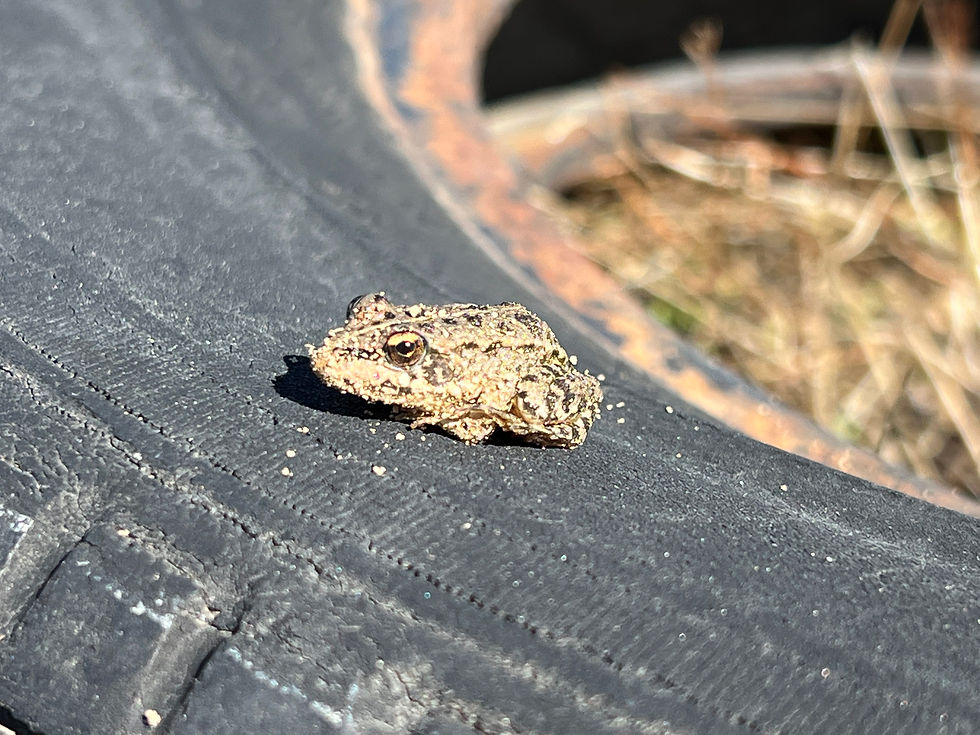
Breeding habitat for frogs
Moisture for pollinators
Refuge during heatwaves
You do not need a giant pond. Half-barrels, ceramic bowls, shallow wildlife dishes, or buried tubs can all help.
Just remember:
Include stones or wood escape ramps
Avoid chemically treated materials
Keep partial shade if possible
Refill regularly during summer
Swap this:
Empty decorative gravel corners
For this:
A shallow wildlife water station
Tough Tip: Moving water attracts even more wildlife. A small solar bubbler can dramatically increase activity.
Planting for Birds, Pollinators, and Biodiversity
A wildlife garden without plants is just furniture. The goal is not simply “more flowers.” The goal is layered ecological function.

Different plants support different forms of life:
Nectar for pollinators
Seeds for birds
Dense shelter for nesting
Shade for reptiles
Biomass for soil life
Seasonal food through the year
On our land, we actively introduce pollinator-friendly species while also allowing many wild plants to establish naturally.
Some excellent wildlife-supporting plants for Mediterranean climates include:
Lavender
Rosemary
Sage
Borage
Salvia
Cistus
Curry plant
Native and drought-tolerant species usually outperform thirsty ornamental plants long term, especially when you choose underutilized drought-tolerant plants for biodiversity instead of relying only on the usual nursery suspects.
Swap this:
Tight ornamental hedge
For this:
Mixed native hedge with flowers, berries, nesting cover, and layered height

A mixed hedge supports:
Birds
Pollinators
Predator insects
Shade-loving organisms
Wind protection
Soil stability
And honestly, it often looks better too.
Tough Tip: Try planting species with staggered bloom times so pollinators have food across multiple seasons.
Keeping It Wild Without Looking Abandoned
One challenge with wildlife gardening is perception. Neighbors often tolerate “wild” spaces better when they appear intentional.
The solution is controlled wildness.
Keep pathways maintained. Frame wild zones with stones or logs. Trim edges while leaving the interior natural. Use signs, borders, or defined shapes to show purpose.
This creates what many designers call “socially acceptable wildness.”
A small untouched corner surrounded by neat paths often looks thoughtful instead of neglected.
Maintenance still matters:
Refill water sources
Remove dangerous trash or sharp debris
Prune dead branches near buildings
Monitor ponds for mosquito imbalance
Thin plants when airflow becomes poor
Wildlife-friendly does not mean zero management. It means gardening with ecological awareness instead of fighting nature at every step.
Tough Tip: Leave seed heads standing through autumn and winter. Birds often rely on them when other food disappears.

Small Habitat Changes Create Big Ecological Wins
You do not need hundreds of hectares to support wildlife. A single pond helps. A branch pile helps. A flowering herb helps. A rough log border helps.
Nature responds surprisingly fast when given even small opportunities.
Some of the best habitat features on our land were not carefully engineered systems. They came from observation, experimentation, and simply asking:
“What if we leave this for wildlife instead?”
That mindset changes everything. Wildlife-friendly gardening is not just about helping birds or insects. It creates stronger ecosystems, healthier gardens, more resilient soil, and a deeper connection with the land around you. And honestly, seeing your garden come alive is one of the most rewarding parts of growing this way.
The Kraut Crew journey is not about creating perfect gardens. It is about building living systems that become richer year after year.
So leave a corner wild. Add a water source. Stack a few stones. Plant something for pollinators. Then observe what arrives. You might be surprised who moves in.
Herman’s Tough Kraut Fixes: Common Challenges With Wildlife Friendly Gardening
Troubleshooting and FAQ sections are often where wildlife-friendly gardening becomes truly practical. Many people want to support biodiversity but worry about messy gardens, mosquitoes, pests, or attracting the “wrong” animals. The good news is that small adjustments usually solve most problems quickly.
Below are some of the most common wildlife garden questions we encounter on our Quinta in Portugal.
Q: Why are insects drowning in my water containers?
A: Most open containers become traps without escape routes. Add untreated wood strips, stones, or floating branches so insects and small animals can climb out safely.
Q: Won’t a wildlife pond create mosquito problems?
A: Healthy ponds usually balance themselves over time. Frogs, dragonflies, and other predators help reduce mosquito larvae naturally. Avoid stagnant nutrient-rich water.
Q: Does leaving parts of the garden wild attract snakes?
A: Wild areas can attract many animals, including snakes in some climates. Usually this is a sign of a functioning ecosystem. Keep paths clear and avoid placing dense hiding spots directly beside living areas.
Q: My neighbors think my garden looks abandoned. What can I do?
A: Use intentional structure. Maintain clean paths, defined borders, trimmed edges, and focal points. A framed wild area looks designed rather than neglected.
Q: What is the easiest wildlife feature for beginners?
A: A shallow water source with escape ramps is probably the fastest and cheapest upgrade. Wildlife often finds water within days.
Q: How do I attract more birds naturally?
A: Provide layered plants, water, shelter, and safe perching spots. Even simple upright branches can encourage birds to stop, rest, and eventually spread seeds through droppings.
Q: Can wildlife gardening still look beautiful?
A: Absolutely. Some of the most visually rich gardens combine flowers, habitat structure, and natural textures instead of fighting against nature.


Comments