
How to Grow Elaeagnus × ebbingei in a Mediterranean Climate

If you want an evergreen gateway or hedge that settles without drama, learn how to grow elaeagnus before you dig. Elaeagnus × ebbingei (Ebbing’s Silverberry) is a shimmering evergreen shrub for Mediterranean gardens and USDA Zones 8–10. Nitrogen-fixing roots, fragrant late-season flowers, and wildlife shelter make it a practical pioneer edge plant once it is in the ground.
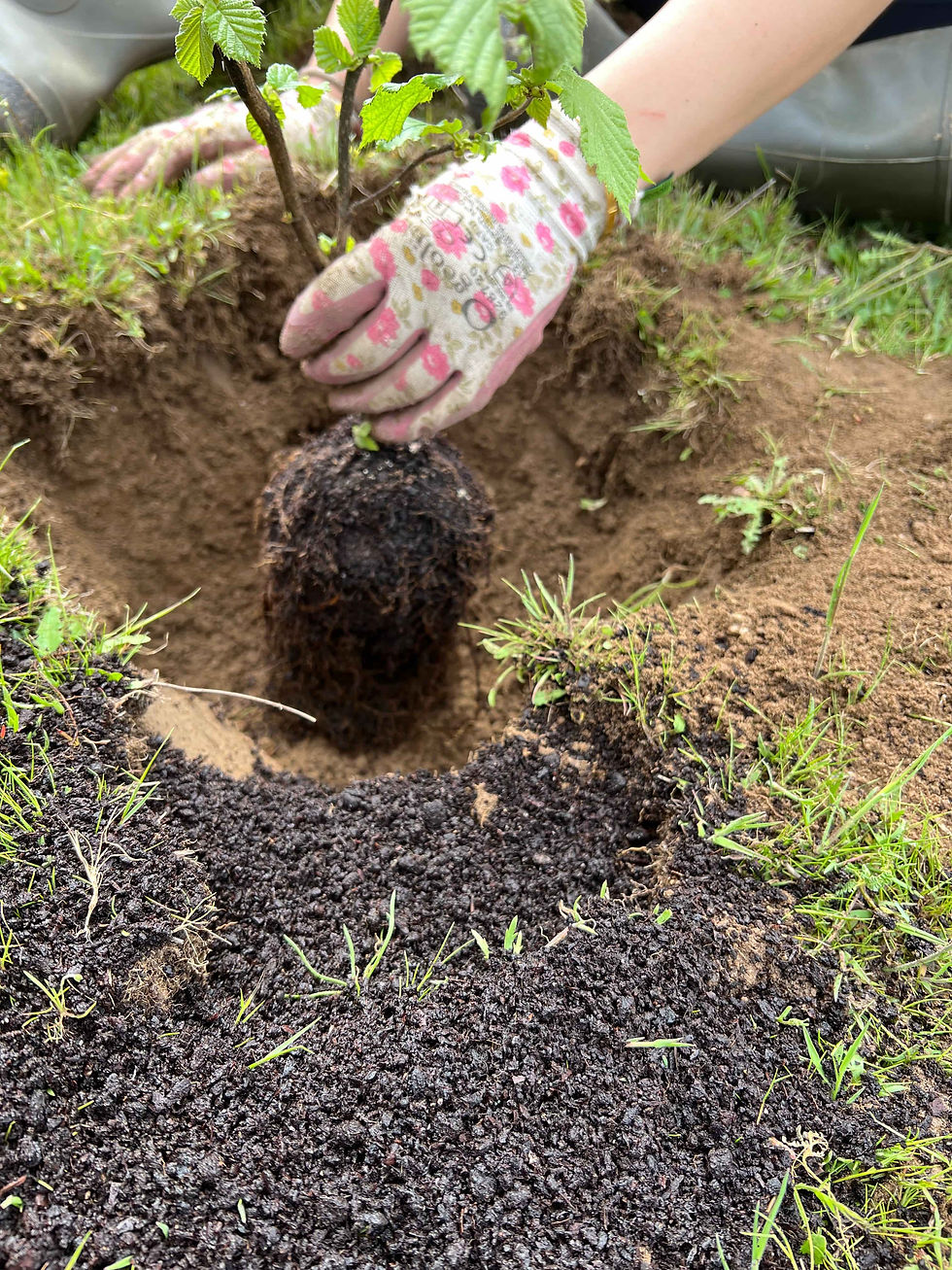
We planted ours on February 23, 2023, in the roundabout bed near the entrance gate with pampas grass, rosemary, and oleander. It established without pampering and has become a long-term anchor shrub in that entrance landscape. Stick around for Herman’s Tough Kraut Fixes on planting and establishment.
For field-tested tools and reading, see our Resources page.

Quick Answer: How to Grow Elaeagnus
Give Ebbing’s Silverberry sunny or partial shade light, good air circulation, and well-drained soil. Site it for edges, hedges, or gateway designs, and leave 1.5–2.5 m (5–8 ft) between plants. Dig a hole about twice the width of the root ball, mix in compost only if the ground is compacted, and plant at pot depth in late autumn to early spring. Water in deeply, mulch clear of the stems, keep weekly deep water through the first year, then back off so the shrub can thrive on neglect and occasional rainfall. Trust the nitrogen-fixing roots at plant time; this is not a feed-bag shrub.
Best Place to Grow Elaeagnus × ebbingei in a Mediterranean Garden
Sunny or partial shade suits Elaeagnus × ebbingei on Zone 8a ground. Pick a spot with air moving through the canopy and water draining away. Edges, hedges, and gateway designs fit the habit; that is how we use ours at the entrance roundabout.

Plan for a mature plant about 3–5 m (10–16 ft) tall and wide. Space shrubs 1.5–2.5 m (5–8 ft) apart so the canopy can fill without fighting for air. If oleander shares the bed, keep about 1.5–2 m (5–6.5 ft) between them so both hold their own. Rosemary, pampas grass, and lavender also fit as companions at planting time.
Tough Tip: Site Elaeagnus where you want evergreen mass and pollinator traffic for years, not where a tight photo this season looks good.
Soil, Water, and Mulch Tips for Elaeagnus × ebbingei
Well-drained sandy or loamy ground is ideal, and poor soils are welcome. Nitrogen-fixing roots are why this shrub can start lean. Loosen the planting hole to about twice the width of the root ball. Mix in compost only if the soil is truly compacted; skip a rich compost sump under a plant that already feeds itself.

Plant at the same depth as the pot, water deeply at the plant, and mulch a ring at the base while keeping material off the stems. Weekly deep watering in year one builds the root system. Once settled, back off hard so rainfall does most of the work. For first-year heat and drought timing, our free Summer Survival Garden Checklist helps walk mulch and watering priorities.
Tough Tip: Deep water at the plant in year one, then walk away. Shallow daily wetting wastes effort and keeps the root zone confused.
How to Plant and Establish Elaeagnus × ebbingei
This is getting the shrub in the ground, not ongoing care.
1. Choose sunny or partial shade with air flow and drainage, sized for edges, hedges, or a gateway.
2. Dig a hole about twice as wide as the root ball. Add compost only if the soil is compacted. Note the N-fixer habit: lean native backfill is usually enough.
3. Plant in late autumn to early spring at the same depth as the pot. Our February 23, 2023 planting sat inside that early-spring window.
4. Backfill with native soil, water in deeply, and mulch clear of the stems.
5. Water weekly through the first year, then taper to neglect-friendly rainfall.
6. Space companions honestly: 1.5–2.5 m (5–8 ft) between Elaeagnus plants, and about 1.5–2 m (5–6.5 ft) from oleander.
7. Optional propagation from the species profile: semi-hardwood cuttings or layering. We have not claimed Quinta cutting trials here; treat propagation as a nursery-method option, not a field success story.

Rosemary, oleander, pampas grass, and lavender fit the same dry-edge strip when spacing stays honest.
Tough Tip: Plant at pot depth, water in once like you mean it, then keep the weekly schedule only for year one.
Seasonal Care for Elaeagnus × ebbingei in Zones 8-10
Late autumn to early spring: Main planting window in mild Mediterranean climates. Water in, mulch, and start the weekly establishment soaks.
Late spring: Keep first-year water honest as heat arrives. Check that mulch still clears the stems.
Summer: Deep weekly water only while the shrub is young. Established plants prefer restraint.
Early spring or late summer: Light shaping belongs after roots take; Care owns the pruning detail. Aphids or scale are occasional only; Care covers ongoing pest and frost tips.
Ongoing after establishment: For yellow leaves, fertilizer restraint, prune schedule, pests, and frost once the shrub is growing, see our how to care for elaeagnus × ebbingei companion.
Under good conditions, expect about 30–60 cm (1–2 ft) of growth a year. The plant is self-fertile and highly fragrant, so one shrub still draws bees, hoverflies, and butterflies without a pollination partner.

Tough Tip: Establishment is a calendar: plant in the cool window, water weekly year one, then trust the N-fixer and the rain.
Herman’s Tough Kraut Fixes: Common Challenges with How to Grow Elaeagnus
Getting elaeagnus established on Quinta ground is mostly planting method: wrong season, tight holes, buried crowns, overfeeding at plant time, and crowding bold neighbors.
Q: When should I plant elaeagnus, and how deep?
A: Plant late autumn to early spring in mild climates. Set the shrub at the same depth as the pot, then water in deeply and mulch clear of the stems.
Q: Do I need rich soil or fertilizer at planting?
A: Usually no. Loosen a wide hole, add compost only if the ground is compacted, and trust the nitrogen-fixing roots. Lean backfill beats a compost sump.
Q: How far should I plant Elaeagnus from oleander or other companions?
A: Keep about 1.5–2 m (5–6.5 ft) from oleander, and space Elaeagnus plants 1.5–2.5 m (5–8 ft) apart. We grow ours with pampas grass, rosemary, and oleander in the entrance roundabout.
Q: Can I propagate Ebbing’s Silverberry from cuttings?
A: The species profile supports semi-hardwood cuttings and layering. Treat that as a standard nursery method; we are not claiming Quinta cutting success in this grow guide.
Final Thoughts on Growing Elaeagnus × ebbingei
To grow elaeagnus in a Mediterranean climate, keep the method simple: sunny or partial shade, airy gateway or hedge placement, a wide hole with compost only if compacted, late autumn to early spring planting at pot depth, deep water-in, mulch off the stems, weekly water through year one, then neglect-friendly rainfall. Ours still anchors the entrance-gate roundabout with pampas grass, rosemary, and oleander, proving a nitrogen-fixing evergreen can settle without pampering.
Open the full Elaeagnus × ebbingei Plant Library companion for the species profile, join the Kraut Crew for more Quinta field notes, and use the Resources page for tools we rely on.


Comments