
Troubleshooting September Planting: Pests, Frost, and Dry Spells

September can feel like gardening’s crossroads. Days in Mediterranean climates are still bright and warm, but nights begin to cool. Your seedlings are pushing through soil with promise, yet suddenly you spot chewed leaves, wilting stems, or curled brassicas. A surprise frost hits while you’re still in summer mode, and by the time you water, the soil is already baked dry again.
Sound familiar? You’re not alone. Every September, gardeners face a trifecta of headaches: hungry pests, early frosts, and lingering dry spells. These challenges can feel discouraging, especially when you’ve just put fresh energy into your autumn beds. But here’s the truth: with the right strategies, September problems become opportunities to sharpen your skills and build a more resilient garden.
On our land in Portugal, I’ve lost lettuce beds overnight to cutworms, watched basil collapse under a single frost, and battled stink bugs in the greenhouse. Each mistake pushed me to find better solutions — and those lessons are what I’ll share with you here.
We’ll troubleshoot the top September setbacks step by step, covering common pests, how to protect your crops from frost, and ways to keep soil moist when the rain won’t come. By the end, you’ll have a toolkit of practical fixes that fit real life, not just theory.
Stick around until the end for Herman’s Tough Kraut Fixes — my dedicated FAQ section where I answer the questions every gardener ends up asking when September throws curveballs.

Why Troubleshooting Matters in September
September is the gardener’s balancing act. In Zone 8a Mediterranean climates, warm afternoons trick us into thinking summer still has a firm grip, yet the season is already shifting. Nights creep cooler, days shorten, and the soil begins to swing between dry and damp. For plants just settling in, these shifts are a test of resilience.
This is exactly why troubleshooting matters. Pests like aphids and cutworms thrive when young seedlings are most vulnerable. Frost sneaks in earlier than we expect, targeting tender crops that still think it’s July. And the ground, once soaked in spring, now dries quickly after weeks of hot sun — leaving thirsty roots to fend for themselves.
Permaculture teaches us that every challenge carries its own solution. Anticipating problems is part of good design. A patch of aphids might attract ladybugs, a frost pocket might reveal where to build a future pond, and mulch laid today means healthier soil tomorrow. Troubleshooting isn’t just about saving plants — it’s about reading patterns, learning from setbacks, and strengthening your garden system year by year.
When we first arrived on our land in Portugal, I underestimated September’s mixed bag. A dry spell left my brassica seedlings weak, then stink bugs moved in. I mulched too late, watered too shallow, and nearly lost an entire planting. That experience taught me the importance of preparing for the “what ifs” before they happen.
By tuning into these seasonal signals and making a few simple adjustments, you can turn September’s unpredictability into one of your strongest growing months.
September Garden Pests in Mediterranean Zones 8–11
Mediterranean climates from Zone 8 through Zone 11 share the same cast of hungry characters in September. Warm days keep them active, and cool nights slow plant recovery. The difference is how long the season favors them. Zone 8 gardeners may get some relief after first frosts, while Zones 9–11 often see pests hang around nearly year-round.
Aphids
Zone 8: Pop up in cooler late summer nights and cluster on brassicas, lettuce, beans. Cold spells in winter eventually knock them back.
Zones 9–11: Thrive almost year-round. Populations can start earlier in spring and linger into winter. Watch citrus and figs as well as veggies.
Signs: Curled leaves, sticky “honeydew,” ants farming colonies.
Cabbage loopers
Zone 8: Peak in September–October, taper off with frost.
Zones 9–11: Multiple generations per year. Pressure on brassicas continues much longer, especially in mild winters.
Signs: Ragged holes, frass pellets, inchworm arching when moving.

Cutworms
Zone 8: Strike at transplants and seedlings, mostly early autumn. Deep freezes reduce populations.
Zones 9–11: Survive mild winters in soil. Can hit seedlings in both autumn and spring plantings.
Signs: Seedlings cut at soil level overnight. Plump larvae curl into a “C” when disturbed.
Colorado potato beetle
Zone 8: Attacks fall potatoes, eggplants. Numbers drop with frost.
Zones 9–11: Several generations possible. More pressure in areas with successive potato or eggplant crops.
Signs: Yellow-orange egg clusters, striped adults, red larvae with black spots.
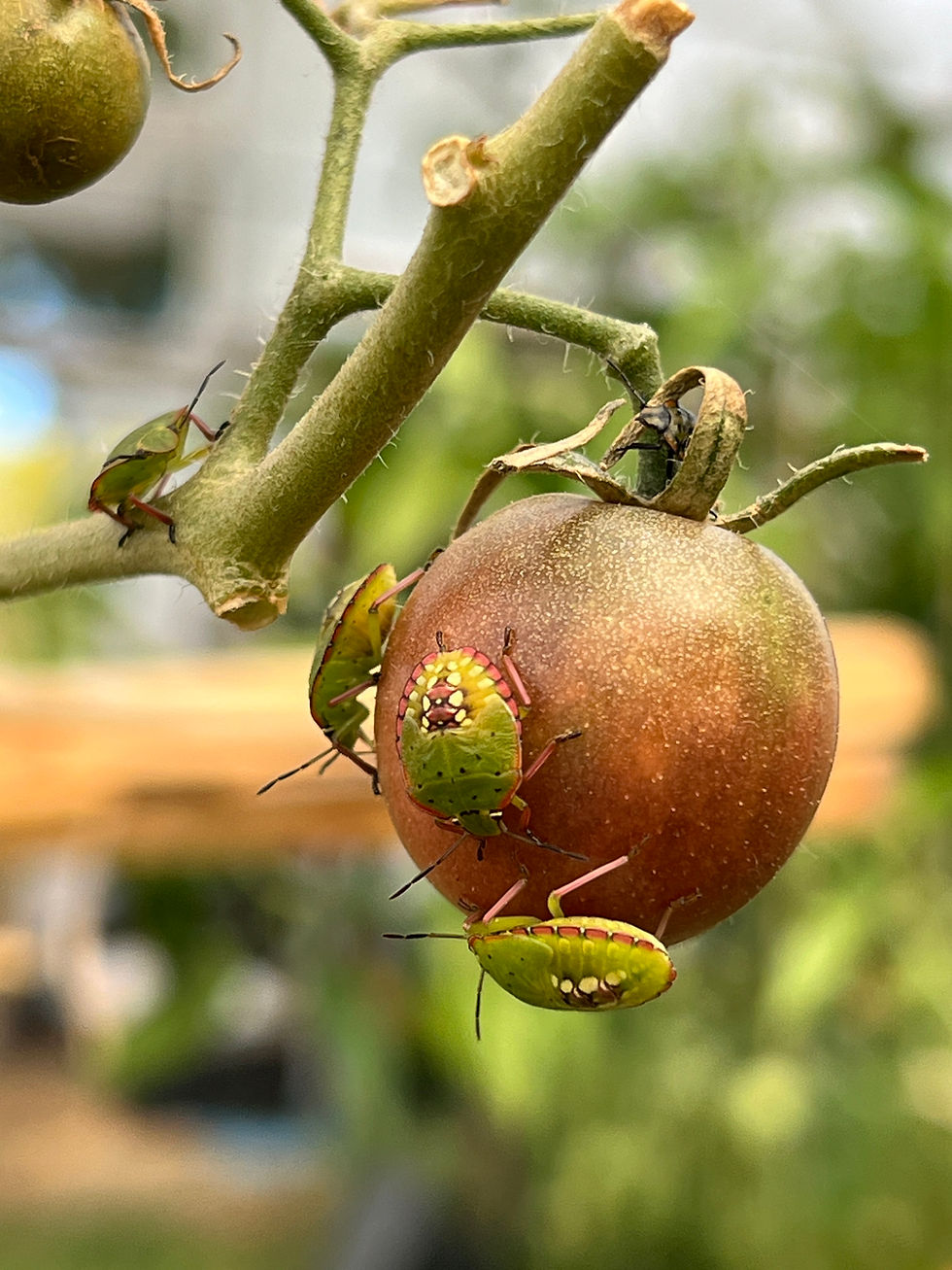
Stink bugs
Zone 8: Active until cold weather arrives. Focus on tomatoes, beans, peppers.
Zones 9–11: Thrive much longer, sometimes into winter. Feed on orchard crops too, including citrus and figs.
Signs: Pinprick scars, dimpled fruit, shield-shaped adults, group-moving nymphs.
Garden health check
Fresh vs. old damage? Look for wet sap or new frass.
More than 10% of plants affected? Time to act.
Are natural enemies present? Ladybugs, lacewings, hoverflies, parasitized aphids.
Zone note: Warmer zones (9–11) mean pests cycle more generations, so early prevention is key.
Tough Tip: Ant trails lead to aphid hotspots faster than your eyes do. Follow them and you’ll often catch outbreaks before they spread.
Fall Pest Control in the Mediterranean Garden (Zones 8–11)
Pests in September are stubborn, but they aren’t unbeatable. The trick is prevention: build defenses before populations explode. What works in Zone 8a also applies in Zones 9–11 — you’ll just need to stay alert longer because warmer winters let pests cycle more often.
Prevention Strategies That Work
Crop rotation
Break pest cycles by avoiding planting the same family in the same bed year after year. Move brassicas, nightshades, and legumes around to deny pests a continuous buffet.
Recruit natural predators
Ladybugs and lacewings tackle aphids.
Birds and chickens snack on caterpillars and beetle larvae.
Frogs and toads love cutworms.Planting flowers like dill, fennel, and calendula gives these allies nectar when pests are scarce.
Floating row covers
Lightweight mesh shields crops from aphids, loopers, and stink bugs while still letting in light and water. In Zone 8, covers often come off after frost ends insect activity. In Zones 9–11, keep them handy year-round.
Trap crops
Planting a small patch of mustard or radishes as “sacrificial” plants pulls pests away from your main harvest. Dispose of or compost these crops once they’re infested.
Hands-on control
Spray aphids with a mild soap-and-water solution.
Hand-pick Colorado potato beetles and their eggs.
Shake stink bugs into a jar of soapy water.These small acts, done consistently, keep populations from booming.
Design Insight
In permaculture, the goal isn’t just to fight pests, it’s to design a system where outbreaks become less likely. Think of it as building layers of resilience rather than relying on a single fix.
Diversity is your insurance. A monocrop of brassicas is a cabbage looper’s dream. Mixing brassicas with aromatic herbs like sage, thyme, or rosemary confuses pests through scent masking, while also drawing in beneficial insects.
Habitat creates balance. Predators can only help you if they stick around. A patch of wildflowers, a shallow water basin, or even a small woodpile gives them shelter and food when pest numbers are low.
Barriers buy time. Row covers, netting, or fine-mesh fencing act like the garden’s “seatbelt.” They don’t solve every problem, but they drastically cut risk in those first fragile weeks after planting.
Observation closes the loop. A quick walk-through every couple of days lets you spot damage early. In Zones 9–11, where pest pressure stretches across seasons, these small check-ins replace the “winter reset” you might expect in Zone 8.
Instead of chasing pests with sprays or treatments, build a system where they’re less comfortable staying. That’s the permaculture difference: work with patterns, not just problems.
Tough Tip: If you’re in Zone 9 or warmer, don’t assume pests will die back over winter. I’ve spoken to gardeners who battle aphids on citrus in December — that’s when predator support really pays off.
Frost Protection Gardening in September (Zones 8–11)
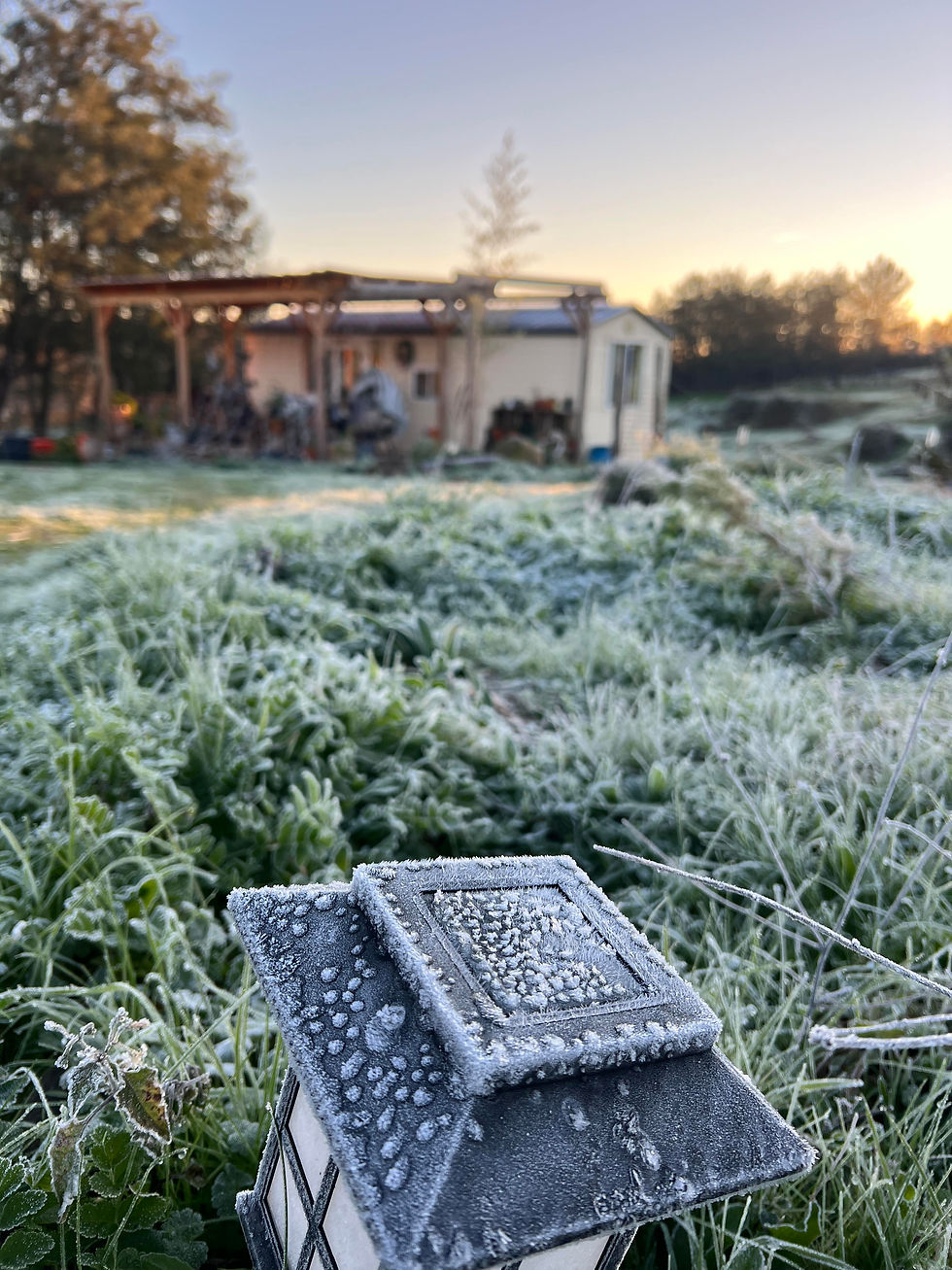
September in Mediterranean climates is deceptive. Warm afternoons tempt us to believe frost is weeks away, yet a sudden chill can hit tender crops without warning. In Zone 8, frosts may appear by late September, while Zones 9–11 often enjoy longer frost-free periods — but even there, pockets of cold air can surprise you. Protecting your plants early is far easier than nursing frostbite after the fact.
Know Your Frost Risk
Zone 8: Frosts can arrive suddenly near the end of September. Check your local average frost dates and keep protection ready.
Zones 9–11: Less frequent, but microclimates matter. Low-lying areas, shaded corners, and open fields can dip below freezing even when official forecasts suggest otherwise.
Tip: Walk your land at sunrise. Where dew lingers longest is often where frost will settle first.
Simple Protection Tools
Garden fleece / frost cloth: Lightweight and reusable. Drape directly over crops or build a frame for extra insulation.
Cloches and jars: Perfect for single seedlings or small patches. Reuse glass jars, cut plastic bottles, or buy purpose-made cloches.
Tunnels and cold frames: Extend the growing window by weeks. In Zone 8, they may be essential; in Zones 9–11, they become backup insurance.
Polytunnels and greenhouses: A bigger investment, but invaluable for tender crops like basil, tomatoes, and peppers.
Timing Matters
Don’t rely solely on town or village forecasts. Rural land, valleys, or riverfronts can dip colder than reported temperatures.
As a rule of thumb, if forecasts show 4 °C (40 °F), frost is already likely in exposed or riverside gardens.
In Zone 8, aim to protect brassicas, lettuces, and herbs by mid-to-late September.
In Zones 9–11, protection is usually needed later, but microclimates still create surprise frosts — especially near water or in open fields.
Frost doesn’t wait for winter. In many Zone 8 Mediterranean gardens, the first chilly nights arrive by late September. Simple tools like garden fleece, cloches, or even repurposed jars can save your tender greens. Troubleshooting September planting is all about anticipating these cold snaps, watching your microclimates closely, and protecting crops before frost settles in.
Using Frost to Your Advantage
Frost isn’t always the enemy. It can sweeten carrots and kale, reduce pest pressure, and mark natural transitions between crop cycles. The key is knowing which crops benefit (brassicas, root veg) and which collapse (basil, beans). Permaculture design leans into these natural rhythms: grow frost-tolerant crops in vulnerable spots, while sheltering tender ones near walls, rocks, or tunnels that radiate heat at night.
Tough Tip: Out here on our off-grid land, if the forecast says 4 °C, I know frost will hit. The nearby river keeps nighttime air cooler, and without urban heat to buffer us, our crops frost earlier than in the village. Learning how your own land behaves is worth more than any forecast app.
Drought Management in Autumn Gardens (Zones 8–11)
When you think of drought, July and August come to mind. But in Mediterranean climates, September often runs dry too. Rains don’t always arrive on schedule, and young autumn plantings can struggle before cooler, wetter weather sets in. In Zone 8, late summer heat lingers long enough to dry out soil quickly. In Zones 9–11, the dry season stretches even longer, sometimes until November. Managing soil moisture now means healthier plants when true autumn finally settles.
Water-Smart Strategies
Deep watering: Irrigate less often but soak thoroughly. This drives roots deeper, helping crops handle the next dry spell.
Mulching: A layer of straw, leaves, or woodchips locks in soil moisture and keeps roots cooler during late heatwaves.
Shade for seedlings: Temporary shade cloth or even leafy branches protect fragile starts from scorching sun.
Soil building: Long-term, organic matter is your drought buffer. Compost and cover crops transform soil into a sponge that stores rain when it comes.

Zone Differences
Zone 8: Dry spells can stretch into late September, but rains usually return earlier. Mulching and a few deep waterings may be enough to carry crops through.
Zones 9–11: The dry season often continues for weeks longer. Here, drip irrigation systems and greywater reuse become essential tools for resilience.
Conserving Every Drop
In permaculture, water is a resource too precious to waste. Catching rain with barrels, planting on contour, and burying organic matter all help your soil hold onto what little moisture it gets. The aim isn’t just to survive dry weeks, but to design a garden that thrives even when skies stay empty. A mulched bed needs half as much water as bare soil. A compost-rich garden can bounce back after a month without rain, while a poor soil patch collapses.
Turning Setbacks into Strength
September planting in Mediterranean Zones 8–11 comes with its share of headaches — pests that chew faster than you can react, frosts that sneak in while the forecast still looks safe, and dry spells that stretch seedlings to their limit. But each of these challenges is also a teacher.
Aphids attract ladybugs. Frost reminds us which crops are truly hardy. Dry soil pushes us to build better, more sponge-like beds. Every problem in the garden carries the seed of a solution. Troubleshooting isn’t a sign of failure — it’s part of the growing cycle itself.
Troubleshooting September planting means looking at these hurdles as part of the journey, not obstacles in the way. Your job isn’t to eliminate setbacks. It’s to read them, learn from them, and adapt. That’s how gardens become more resilient, and how gardeners become more confident.
If you’re shaping your September garden, this is just one branch of the journey. Explore the rest of this mini-series for practical guidance:
Vegetable Planting in September: Zone 8a Mediterranean Focus
Mediterranean Shrubs, Trees & Perennials to Plant in September
Soil Preparation and Season Extension Tactics for Autumn
Together, these posts form a complete guide to building a thriving autumn garden.
For more ways to strengthen your September garden, explore the Recommended Books & Resources section below — I’ve gathered the most practical guides and tools that continue to help me troubleshoot my own autumn gardens.
Herman’s Tough Kraut Fixes: Troubleshooting September Planting Challenges
Even with the best plans, September has a way of throwing gardeners a curveball. Below are the questions I get asked most often about pests, frost, and dry spells — plus the fixes I’ve tested on our off-grid land.
Q: How do I stop aphids from covering my brassicas?
A: Start by encouraging predators. Ladybugs, lacewings, and hoverflies keep aphids in check if you give them flowers like dill or calendula. For heavy infestations, a mild soap-and-water spray works without harming most beneficial insects. In Zone 9 and warmer, watch citrus and figs too — aphids don’t rest over winter.
Q: Do I really need frost protection already in September?
A: Yes, if your garden sits in a frost pocket or near water. On our land, if the forecast says 4 °C, frost is guaranteed. Fleece, cloches, or even upturned jars save tender crops. Better to cover early than to lose an entire bed overnight.
Q: Why are my seedlings disappearing overnight?
A: Cutworms are the likely culprits. Check just under the soil for curled larvae. Simple collars made from cardboard or plastic strips around stems stop them. Nighttime checks with a flashlight also reveal slugs, another September suspect.
Q: How do I keep soil moist when the rain hasn’t arrived yet?
A: Mulch, mulch, mulch. Even tiny seedlings benefit from a thin straw layer. Combine that with deep watering every few days instead of frequent shallow sprinkles. In warmer Zones 9–11, drip irrigation becomes essential when dry spells stretch for weeks.
Q: What if stink bugs invade my polytunnel?
A: Hand removal is still the fastest method. Knock them into a jar of soapy water. Planting trap crops like sunflowers outside the tunnel can lure them away from peppers and tomatoes.
Recommended Books & Resources
Books
The Vegetable Garden Pest Handbook by Susan Mulvihill
Clear ID photos, damage clues, and organic fixes for common pests like aphids, loopers, and beetles. A great bench-side reference while you scout.
The Year-Round Vegetable Gardener by Niki Jabbour
Practical season-extension methods (fleece, cloches, tunnels) that fit our frost-prevention playbook for September.
Plant Partners: Science-Based Companion Planting by Jessica Walliser
Evidence-backed plant pairings to reduce pest pressure and boost beneficials. Ideal for long-term, low-spray control.
The Dry Gardening Handbook by Olivier Filippi
A Mediterranean classic for drought-wise design and plant choices. Not flashy, but gold for conserving water and building resilience.
Resources
Haxnicks Easy Fleece Tunnel (frost cloth + hoops, ready to deploy)
Fast, reusable protection for tender September plantings when your forecast says 4 °C and you know frost is coming sooner on rural or riverside land.
Monterey Bt (Bacillus thuringiensis) concentrate
Targeted control for cabbage loopers and other caterpillars without harming bees or most beneficials when used as directed. Ideal for brassicas under pressure. Always follow the label.
Raindrip R560DP drip-irrigation kit (with timer)
Simple, modular kit to deliver deep, consistent watering through September dry spells. Saves water and stabilizes soil moisture for new transplants.
Tough Kraut Resources
Our go-to hub for pest-control tools, frost-protection gear, water-wise systems, and trusted books that help us troubleshoot every curveball September throws at the garden.


Comments