
Cercis siliquastrum (Judas Tree)

Common Name: Judas Tree
Scientific Name: Cercis siliquastrum
Plant Family: Fabaceae
Lifecycle: Perennial deciduous tree
Cercis siliquastrum, commonly known as the Judas Tree, is a small Mediterranean tree famous for the pink to magenta flowers that can emerge directly from older branches and even the trunk. Growing Judas Tree in Zone 8a suits our Central Portugal climate well in principle, although young trees may still need patience, moisture, and protection while establishing through hot, dry summers.
For in-depth guides and curated tools, be sure to check out our Resources Self-Sufficiency Toolkit.
Plant Profile
Characteristic | Information |
Climate Suitability | USDA Zones 6–9; well suited to Mediterranean Köppen Csa/Csb climates |
Sun / Shade Needs | Full sun to partial shade; young trees may benefit from some protection in very hot sites |
Watering Needs | Moderate during establishment; increasingly drought-tolerant once well rooted |
Soil Preferences | Well-drained loam, sandy or calcareous soil; tolerates relatively lean soils |
Spacing & Height | 4–6 m (13–20 ft) spacing; approximately 6–10 m (20–33 ft) tall |
Propagation Method(s) | Seed, cuttings |
Planting Timeline | Autumn or early spring; autumn planting works well in Mediterranean climates where winters are mild |
Companion Plants | Lavender, rosemary, thyme and other Mediterranean understory plants that prefer good drainage |
Edible / Medicinal / Ecological Uses | Ornamental flowering tree; flowers support bees and other insects; flowers have traditional culinary use in some regions |
Pest / Disease Considerations | Generally resilient; possible aphids, leaf spots, cankers and Verticillium wilt, especially under stress |
Pruning / Harvest Notes | Prune lightly after flowering or while dormant; remove damaged, crossing or unwanted basal growth as needed |
Quick Plant Reference
Care Level: Moderate while establishing; easier once established
Optimal Sunlight: Full sun to partial shade
Water Needs: Moderate when young; lower once established
Mature Size: 6–10 m (20–33 ft) tall with a similar or slightly smaller spread
Soil Type: Well-drained loam, sandy or calcareous soil
Humidity: Low to medium
Toxicity: Not generally considered a major toxicity concern in normal garden use; only consume flowers when identification is certain and plants are unsprayed
Beneficial Pollinators: Honey bees, solitary bees and other early-season flower visitors
Health Benefits: Primarily an ornamental and ecological tree rather than a health crop
Chilling Hours: No standard chilling-hour requirement normally used for garden cultivation
Pollination Requirements: A second tree is not required for flowering; insects assist pollination and seed production
Our Cercis siliquastrum Application @ Tough Kraut
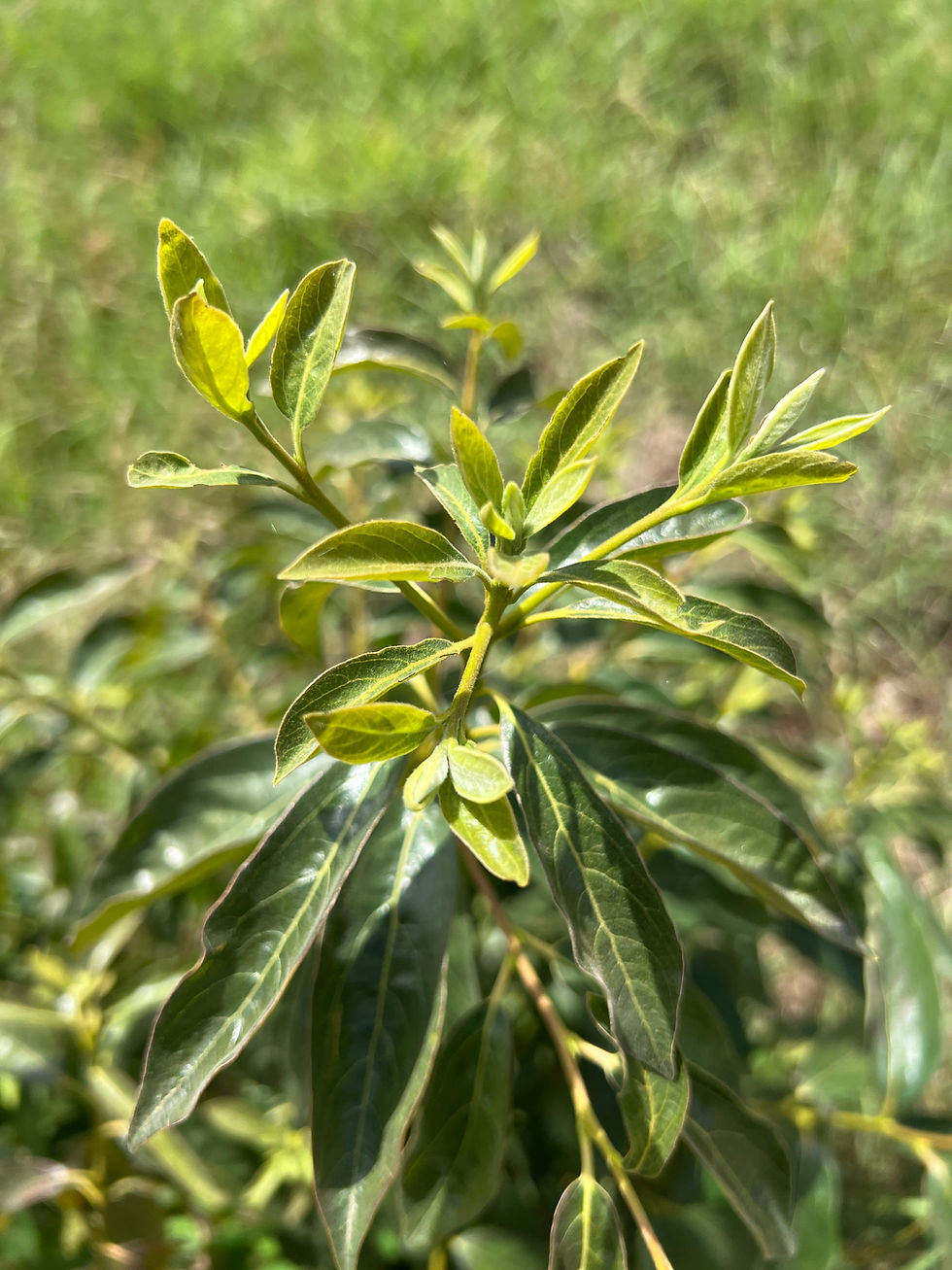
We bought two Cercis siliquastrum saplings in November 2022 from the plant nursery of an agricultural school in our region. At least one is still alive in the central part of our food forest. I no longer have the exact planting date recorded, but it has probably been in the ground for around two years.
Calling it a vigorous young tree would be generous. It has grown very little, and I actually placed a bamboo stick beside it so I do not forget that a Judas Tree is hiding among the vegetation. The surrounding grass is currently about as tall as the tree itself. Although that grass also competes for water, it may be giving the small tree some useful shelter from intense summer sun and wind.
What encourages me most is a fresh little branch emerging near the base with noticeably greener leaves than those higher up. The tree may be taking its time, but it is alive, and for a young tree surviving our dry Mediterranean summers in a developing food forest, that already counts as progress.
Step-by-Step Growing Guide
Growing Cercis siliquastrum is usually straightforward once the tree is established. Most troubleshooting and FAQ questions concern young trees that seem to sit still for several years, suffer summer leaf stress, or produce basal shoots instead of obvious upward growth.
1. Choose the Right Site
Choose a sunny to lightly shaded position with good drainage. In very exposed Mediterranean gardens, temporary protection from intense afternoon sun and drying wind can help small saplings establish.
2. Prepare the Soil
Avoid creating an overly rich planting pocket. Judas Trees tolerate relatively lean soils, but compacted or waterlogged ground should be improved enough to let excess winter water drain away.
3. Plant the Tree
Plant at the same depth as the tree was growing in its nursery container. Autumn is particularly useful in Mediterranean climates because cooler, wetter months give roots time to establish before summer.
4. Water Consistently
Water young trees deeply during extended dry periods, especially through their first few summers. Mature trees become considerably more drought-tolerant, but a small sapling should not be expected to behave like a decades-old Mediterranean specimen.
5. Ensure Proper Pollination
No second Judas Tree is required simply to enjoy the flowers. Bees and other insects visit the blossoms and assist with seed production.
6. Prune Annually
Keep pruning light. Remove dead or damaged wood and gradually develop a balanced structure rather than repeatedly cutting back a slow-growing young tree.
7. Manage Pests and Diseases
Watch stressed trees for aphids, unusual spotting, dieback or cankers. Good drainage, sensible watering and avoiding unnecessary damage around the trunk are more useful than routinely spraying a healthy tree.
8. Harvest and Store
Judas Tree is primarily grown for its spring flowers and ornamental value rather than a conventional harvest. The flowers have traditional culinary uses, but wild or ornamental plants should never be eaten unless identification and growing conditions are certain.
9. Note
Do not panic if a young Judas Tree appears to grow very little above ground. Establishment can be slow, particularly where summer heat, drought, grass competition or wind add stress. Fresh green shoots are often more informative than height alone.
Kraut Crew Insight
Sometimes survival is the first harvest. Our Judas Tree has not given us dramatic growth or masses of pink flowers yet, but the little green shoot at its base says the experiment is still running. For now, the bamboo marker beside it may be doing almost as much growing as the tree.
Photos
August 14, 2026 August 14, 2026 August 14, 2026
Herman’s Tough Kraut Field Notes: Solving Judas Tree Cultivation Challenges
Our Cercis siliquastrum has turned into a good lesson in slow-tree troubleshooting. After roughly two years in the ground, the surviving tree is still small enough to disappear into the surrounding grass, yet it continues to produce living growth.
That makes our Judas Tree FAQ less about spectacular flowering and more about the establishment phase. Sometimes the important question is not, “Why isn't this tree growing fast?” but simply, “Is it still actively growing at all?”
Q: Why is my young Judas Tree barely growing?
A: Slow top growth does not automatically mean failure. A young tree may be concentrating resources below ground while dealing with drought, heat, wind or competition. Check for flexible living stems, healthy buds and fresh shoots before deciding that the tree is struggling beyond recovery.
Q: Should I remove all the grass surrounding a young Judas Tree?
A: Grass competes strongly for moisture close to a young tree, so keeping the immediate root zone relatively clear is useful. However, taller vegetation farther away may also provide temporary shade and wind protection. On our Quinta, I am observing that balance rather than automatically clearing everything around the tree.
Q: What does a new green shoot near the base mean?
A: Fresh basal growth is a good indication that part of the plant remains vigorous. If the tree is grafted, check whether the shoot originates above or below the graft before deciding whether to keep it. With an ungrafted seedling, a strong basal shoot can potentially become part of the future structure.
Q: How much water does a Judas Tree need in a Mediterranean summer?
A: Established Judas Trees are drought-tolerant, but young saplings still benefit from occasional deep watering during prolonged dry weather. Allowing a small tree to become severely dehydrated year after year can greatly slow establishment.
Q: Is Zone 8a too cold for Cercis siliquastrum?
A: Generally, no. Judas Tree is hardy enough for typical Zone 8a winters. On Mediterranean properties like ours, prolonged summer drought and exposed planting positions may be more important establishment challenges than ordinary winter cold.
For more field-tested tools, propagation gear, and practical garden resources, visit the Tough Kraut Resources page.
Entry last updated: 2026-08-14
This post is part of the Tough Kraut Plant Library, documenting what really grows on our off-grid homestead in Central Portugal.


Comments